I have been running a tree crew outside Charlotte for twelve years, and October is when the phone starts ringing every time a front pushes through. Storm season is the only test that matters, and it is also when I get the same question from neighbors three times a week: can a small battery saw actually replace a gas saw, and is a handheld blower worth the battery it eats? This comparison is my answer for four tools that keep landing in the same cart: a cordless mini chainsaw, a second mini saw kit, a bare-tool blower, and a compact drill. I am not going to quote runtime numbers off a box, because inflated runtime claims have burned me twice and I time every battery with my phone now. What I can tell you is how each of these fits the work that actually fills a storm week, and which ones I would hand to my crew at 6 a.m.
The short answer: for most homeowners the 6-inch 20V pruning saw is the right first buy, the two-battery mini chainsaw kit is the value pick if you own nothing yet, and the bare-tool blower is only a smart purchase if that battery platform is already in your garage.
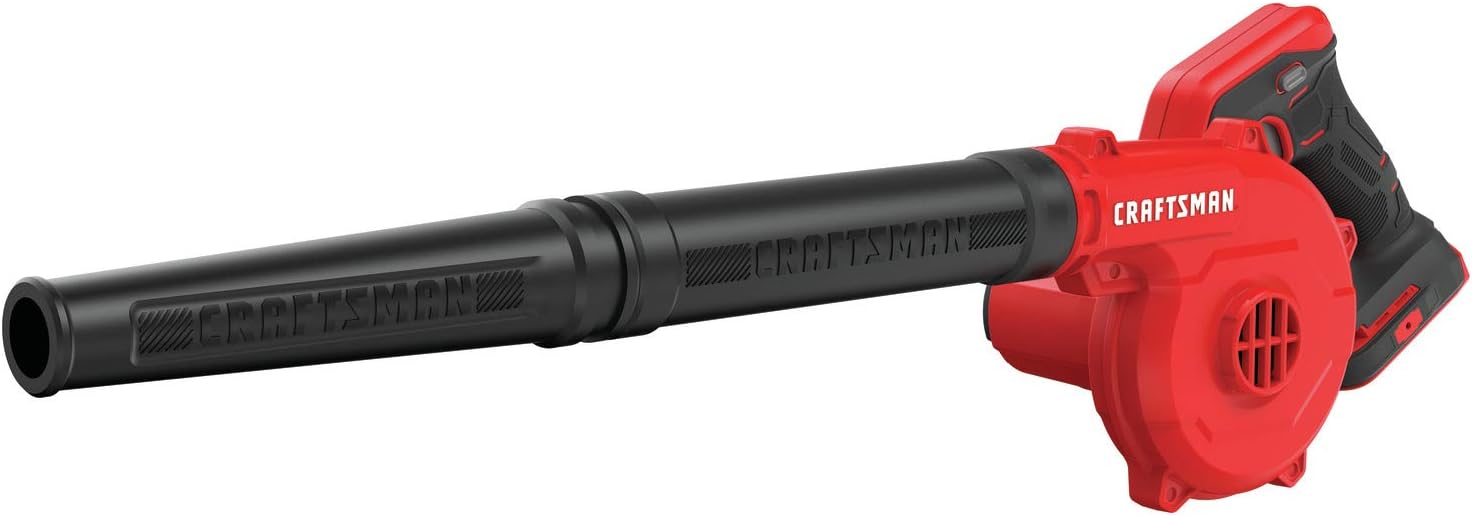
CRAFTSMAN V20 Cordless Leaf Blower, 125 mph, Bare Tool Only (CMCBL0100B)
Clears a driveway, a walkway, a pool deck, and dry leaves fast; bare-tool price is the cheapest way in if you already run the battery
Rated in mph, not CFM; no battery or charger in the box, so a new platform costs more than the tool
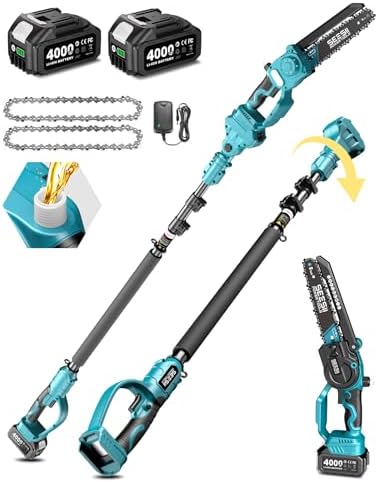
SEESII 8 Inch & 6 Inch Mini Chainsaw Cordless with 2 Batteries & Auto Oiler
Two bar sizes and two batteries, which solves the all-day charging problem; auto oiler saves the bar from the step everyone skips
Charger may only fill one battery at a time; a small bar still will not buck a trunk
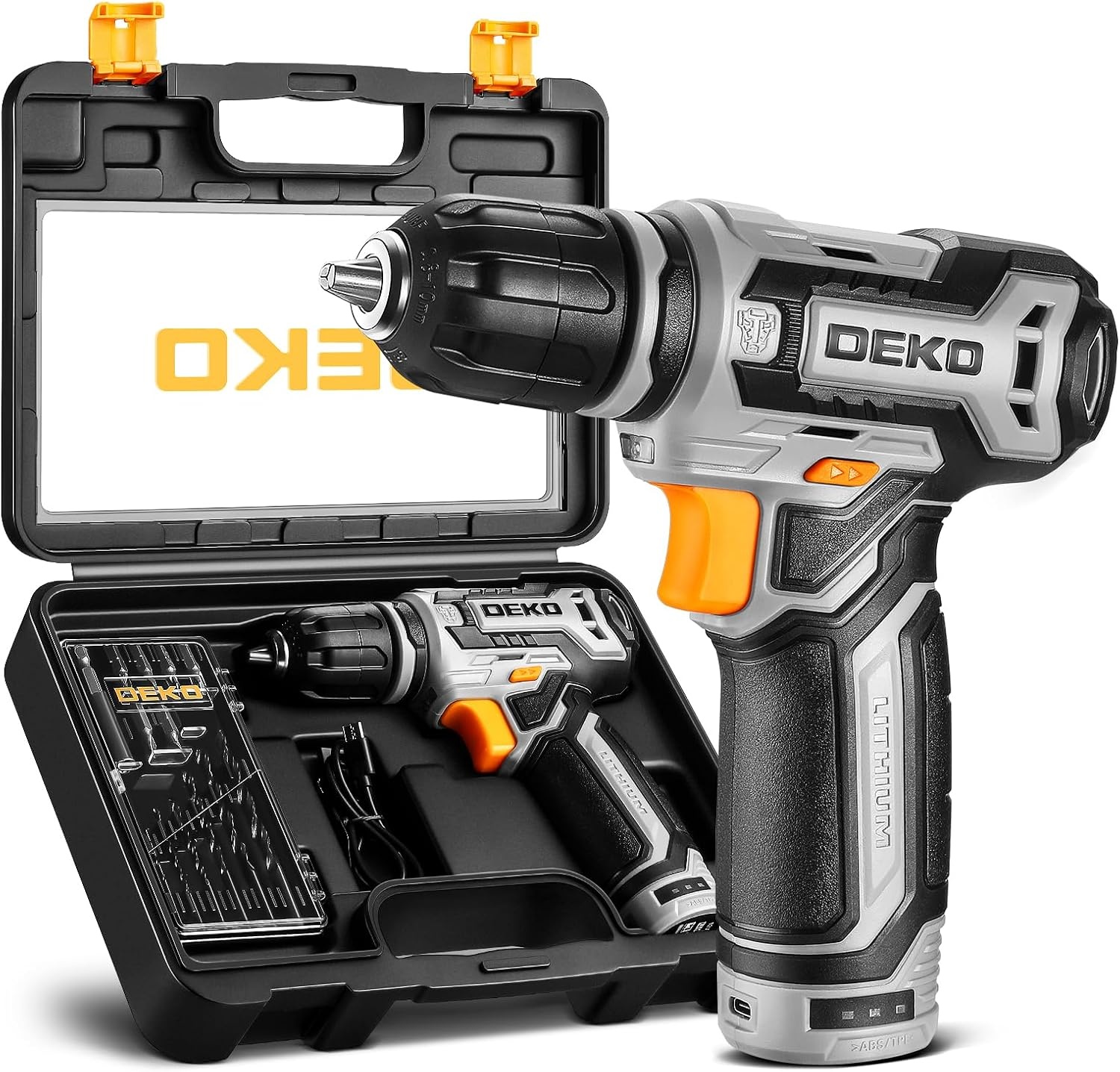
Cordless Drill: DEKO PRO 12V Power Battery Drill Set with Small Electric Drills and 3/8-inch Keyless Chuck with Portable Tool Set Gift Box (Renewed)
Light, cheap, and fine for pilot holes, deck screws, and brackets around the house
12V is a light-duty class; it is a renewed unit, so the warranty card and return window decide the value
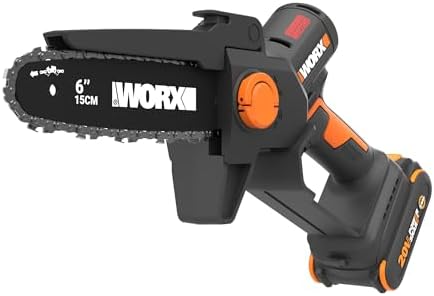
WORX Cordless Mini Chainsaw, 20V 6" Pruning Saw, WG327
The 20V class does real limb work, one-handed, overhead, and in tight spots a big bar cannot reach
Six inches is a limb saw, not a felling saw; the battery is the real purchase decision
Prices and availability were captured from Amazon Creators API and may change.
How I sort battery tools before they ride in the truck
Five questions, in this order. Will it start cold, first trigger, after a night in the truck? How long does the battery really last at full blast, timed from a full charge rather than claimed? Does the battery fit anything else I own? Can it cut wet wood or move wet leaves? And would I hand it to my crew at 6 a.m. after a storm?
Two of those questions are dealbreakers for everything below. The first is the battery platform. If the battery does not fit anything else in the garage, you are not buying a tool, you are buying a subscription. The second is wet debris. Dry leaves are easy. Wet oak leaves, wet wood chips, and the pollen strands that carpet a driveway every spring are the truth-tellers, and every blower I look at starts there.
The number I refuse to repeat is a runtime claim. If a box says forty minutes, I want a stopwatch, a full charge, and a straight answer about whether that was on low or full blast. Same story with a blower rated in miles per hour. Miles per hour is a sticker. CFM is airflow, and airflow is what moves leaves.
WORX 20V 6-inch pruning saw: the one I would hand a homeowner first
Of the four tools here, this is the closest thing to a saw that does real storm-day work without a pull start. A 6-inch bar is not a felling saw and I will not pretend it is. It is a limb saw: storm-dropped branches, a maple that bent over the driveway, suckers along a fence line, and the small stuff that fills a truck bed between the big calls. The 20V class is the sweet spot for that work, enough juice to make a run of clean cuts through green wood without dragging a gas saw out of the bed.
What I would check before buying: whether you already own the batteries, because a bare saw on a platform you do not run is a paperweight with a bar on it. Then the chain. Chains shipped dull from the factory are my number one pet peeve, and a sharp chain on a small saw beats a dull chain on a big one every single time, so budget for a file and learn ten strokes a tooth by feel.
Where it loses: bar length. If your storm debris runs past about four inches, you want a bigger saw. A 6-inch bar will cut above its class, and it will not cut all day. If a tree is on a roof, you are calling someone with a real saw, and that is not a knock on this one.
SEESII mini chainsaw kit: two bars, two batteries, and an auto oiler
This is the kit that makes the most sense if you are starting from zero. You get an 8-inch setup and a 6-inch setup, two batteries, and an automatic oiler. The auto oiler matters more than people think. Manual oiling is the step everyone skips, and a skipped oiling step is a burned bar and a chain that stretches in a week. Auto oiling is the difference between a tool that lasts three seasons and a tool that lasts three weekends.
Two batteries is also the right answer to the wall-wart problem. Plenty of cheap kits ship one battery and one single-battery charger, so you spend the afternoon waiting on the second charge instead of cutting. With two batteries you can run one and charge one, which is how a small saw actually gets through a job.
What I would verify: what the charger does. If it fills one battery at a time, the second battery only helps if you charged it the night before. That is a fine habit and a bad surprise, and it is the first thing I would read the listing twice for.
CRAFTSMAN V20 blower: the bare-tool math
A handheld 20V blower is a driveway tool. It clears a walkway, a pool deck, a garage floor, the gutter line on a one-story ranch, and dry leaves off a lawn in October. It is not a wet-leaf machine for an acre of oaks, and no handheld battery blower is, no matter what the sticker claims.
The spec to notice here is that it is rated at 125 mph. The spec to go find is CFM. Miles per hour tells you how fast the air leaves the nozzle. CFM tells you how much air is moving, and moving air is what pushes a pile of wet leaves down the driveway. A blower rated in mph is selling you a number, not airflow, and that is the first thing I check on any blower.
The second thing is "bare tool only." That is not a flaw, it is a decision: no battery, no charger, lower price, and it only makes sense if that brand's batteries are already on your shelf. If they are not, price the battery and charger into the total before you compare anything, because replacement batteries cost half the price of a whole new blower. If the platform is proprietary and this is your only tool on it, that is the real price of the tool.
DEKO PRO 12V drill: the odd one in the cart
This one is not a saw or a blower, and it does not pretend to be. A 12V drill with a 3/8-inch keyless chuck is a light-duty driver: pilot holes for a fence picket, deck screws, tightening a bracket, running a wire through a stud. It belongs in the truck box next to the chains, not in the same sentence as a storm saw.
Two things to weigh. First, 12V is small. It is fine for driving and light boring, and it will bog on anything that wants real torque, so if your projects are big, this is the wrong class of tool. Second, this listing is for a renewed unit. Renewed is not a dirty word, but it changes what you check: the warranty card in the box and the return window. If the warranty card is missing and there is no email address on the website, that is part of the review, not a footnote.
Where it earns a spot: as the compact set that lives in the house, handles the small jobs, and keeps the bigger tools for the bigger work. Where it loses: anything that needs a hammer drill, a half-inch chuck, or a battery that fits your saws.
The trade-offs that actually decide it
Bare tool versus kit. A bare-tool blower is the cheapest way into a platform you already own and the most expensive way into one you do not. Add the battery and charger to the sticker before you compare anything.
One battery versus two. Two batteries with a single-battery charger is still one usable battery on a long day. Ask what the charger does, not how many batteries come in the box.
Mini saw versus full size. A 6-inch or 8-inch bar handles limb work, pruning, and cleanup in tight spots, and it does it overhead and in places a 20-inch bar cannot reach. It will not buck a trunk. If your storm plan includes a tree on a roof, you are calling someone with a real saw, and that is fine.
Mph versus CFM. Covered above, and it is the single most misleading number in the blower aisle.
New versus renewed. Renewed tools can be a genuine bargain, and the deciding factor is the paperwork, not the label.
Battery platform. This question outranks price every time. One platform, or it is a paperweight. Three tools on three dead-end batteries is three paperweights.
What I would buy, and in what order
If you already run 20V batteries from that brand, the 6-inch pruning saw is the first tool I would put in your hands. It does the trimming and limb work that fills most storm days, and it does it without a pull start.
If you own nothing yet and want the most capability per dollar, the two-battery mini chainsaw kit is the pick, because the auto oiler and the second battery are the two features that keep a small saw alive and working.
The blower comes third, and only if the batteries are already in your garage. It is a driveway and walkway tool, and it will earn its keep on dry debris and light wet work without ever replacing a backpack gas blower on a big yard.
The drill is last for a reason. It is a small-jobs tool, and it is a good one for the money, but it is not part of a storm plan.
What I am testing next
This storm season I am running timed runtime checks on full blast, cold-start mornings at 6 a.m. after a night in the truck, and wet-leaf runs on the driveway, and the crew's job book decides the picks from there. My truck still carries three gas saws for the calls that matter. That has not changed, and it is not going to change this year.