I spent twelve years running a tree service crew out of a truck parked outside Charlotte, North Carolina, and most of that time was spent arguing with myself about which tool was worth carrying and which one was going to sit in the bed and rust. This leaf blower and chainsaw comparison is the version of that argument I end up having with neighbors in my driveway every fall: do you buy gas, do you buy battery, do you buy corded, and how many different batteries are you willing to feed?
Related: Leaf Blower CFM Vs MPH: The Number That Actually Moves Wet Leaves
For most homeowners, the answer is a cordless blower on a battery platform you already own, paired with a corded saw for the occasional limb. The gas backpack is what you buy when the job is measured in acres and hours instead of minutes. The 4-in-1 kit is a niche tool that solves a specific problem, and I will tell you exactly which one.
That is the short version. The long version is about cold starts at 6 a.m., runtime on full blast, and why a battery that fits nothing else you own is a trap with a handle on it.
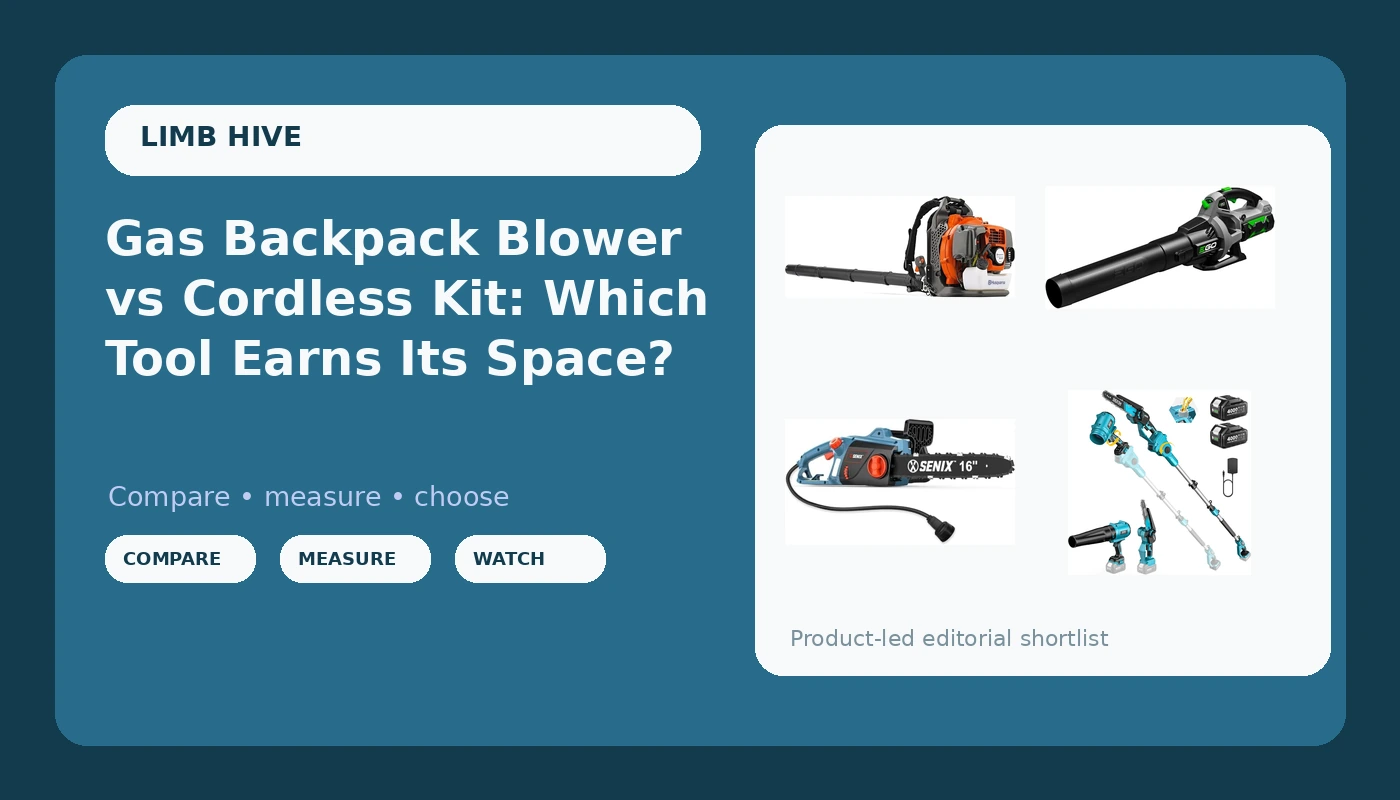
Husqvarna 360BT Gas Backpack Leaf Blower, 65.6-cc 3.81-HP 2-Cycle
All-day airflow for wet oak leaves and storm debris, and a harness that carries the weight instead of your arms
Gas mix, noise, pull starts in cold rain, and it is the heaviest thing in this group
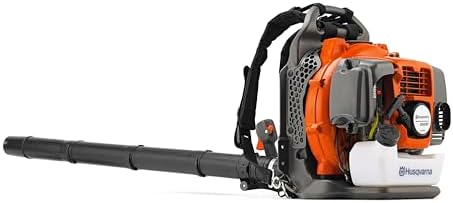
EGO POWER+ Cordless Electric Leaf Blower, 530 CFM, With Battery - LB5302
530 CFM with the battery in the box, no mix, no pull start, and a platform you can add other tools to
Runtime on full blast is the catch, and a handheld will wear your arms out on a long job
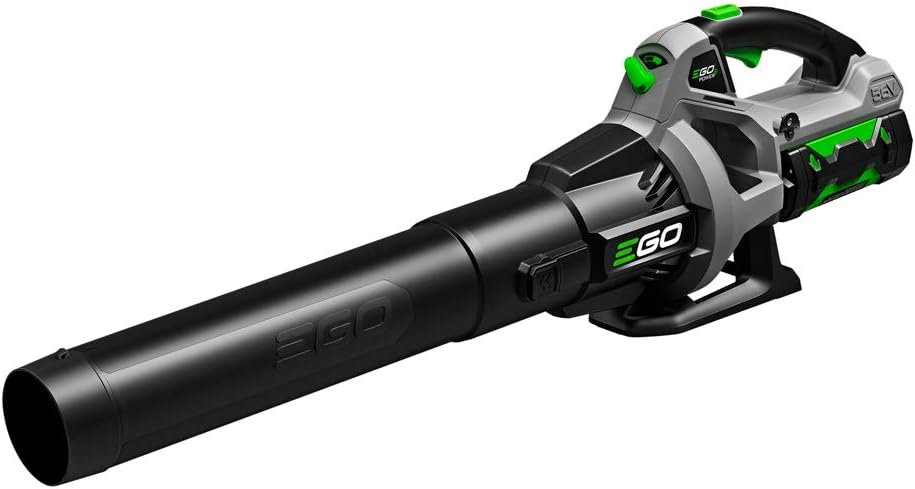
SENIX Electric Chainsaw,16" Corded Chain Saw,CSE12-M
Corded power that does not fade mid-cut, and a 16-inch bar for real limb work at home
You are tied to a cord, which rules it out for storm calls
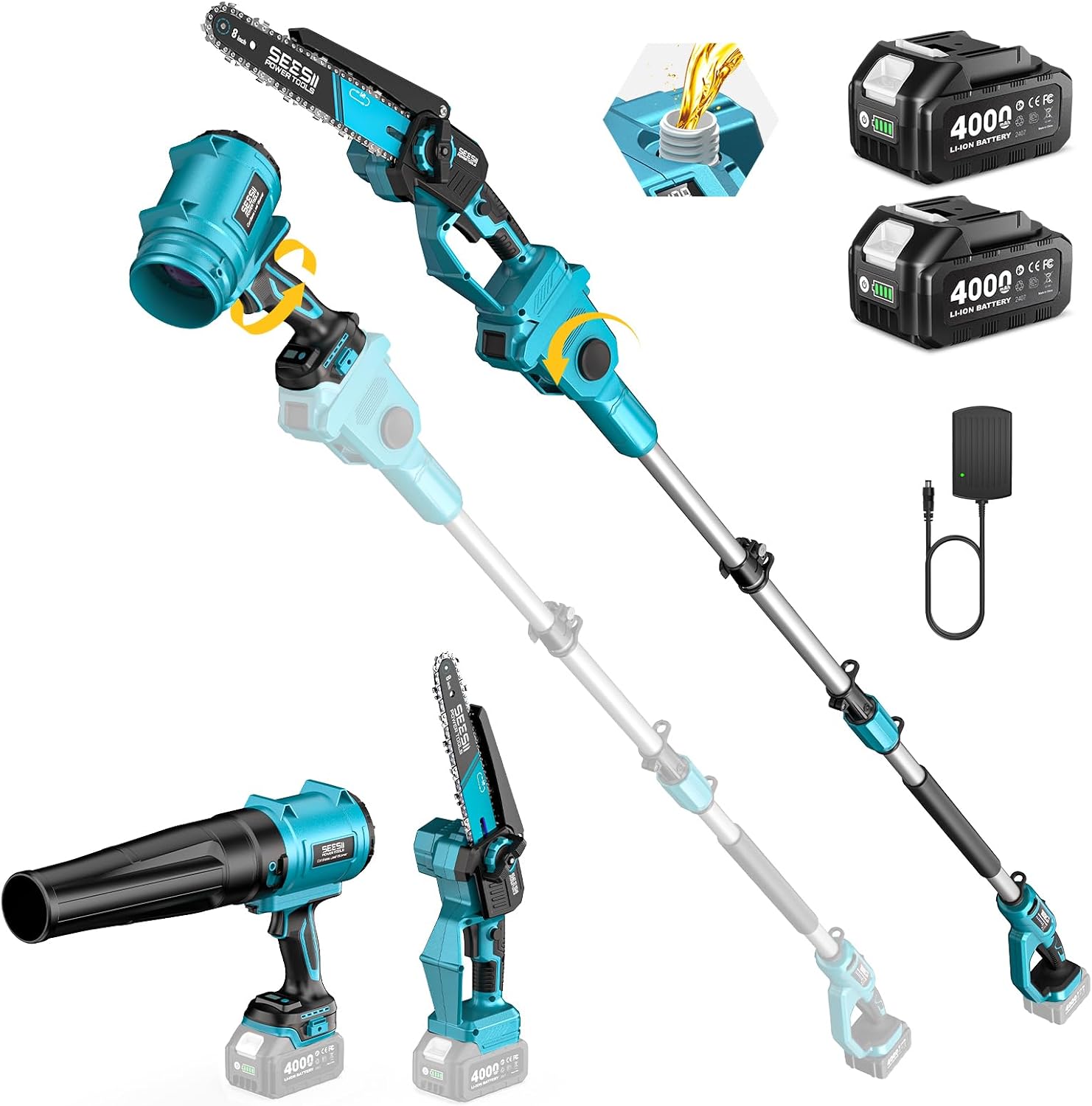
SEESII 4-in-1 Cordless 8 Inch Pole Chainsaw & Leaf Blower Battery Powered
Pole saw and blower in one kit, so you can reach limbs without dragging out a ladder
An 8-inch bar is light trimming only, and it is one more proprietary battery to keep fed
Prices and availability were captured from Amazon Creators API and may change.
What I check before a tool earns truck space
Five questions, every time, and I do not care what the box says until they are answered.
First, will it start cold, first pull, after a night in the truck? A saw or a blower that needs twenty minutes of coaxing at 6 a.m. in cold rain is dead weight, no matter how good the spec sheet looks. Second, how long does the battery really last on full blast? That is a stopwatch question, not a marketing question. Runtime claims are measured in advertising, and I have been burned by inflated numbers twice, which is why I time everything on my phone now.
Third, does the battery fit anything else I own? If the answer is no, I am not buying it. One tool with a dead-end battery is a paperweight with a warranty card. Fourth, can it cut wet wood or move wet leaves? Dry leaves are easy. Wet debris is the truth-teller, and wet wood chips are the cordless killer. Fifth, would I hand it to my crew at 6 a.m. after a storm? If not, it is a homeowner tool, and I will say so plainly.
That is the filter. Here is how these four tools look through it.
Husqvarna 360BT: the gas backpack that still owns big, wet yards
A 65.6-cc, 3.81-horsepower two-cycle backpack blower is not a subtle tool. It is the one you put on when the job is a whole yard of wet oak leaves, a parking lot of storm debris, or a driveway buried under pine straw after a nor'easter. The harness matters as much as the engine, because the weight rides on your shoulders and hips instead of your forearms, and that is the difference between still working at hour three and quitting at hour one.
Here is the number I care about: CFM, not mph. A blower rated in miles per hour is selling you a sticker, not airflow. Airflow moves leaves. The 360BT is built for volume, and that is exactly what wet debris demands.
The honest downsides are the ones every gas tool carries. You are mixing fuel, you are pulling a starter cord in bad weather, you are making noise that your neighbors will hear two streets over, and you are carrying the heaviest unit in this comparison. None of that matters when the job is big. All of it matters when the job is a walkway and a pool deck.
Who it is for: large properties, storm cleanup, and anyone who has already accepted that gas is the backup you never apologize for. Visit on Amazon →
EGO POWER+ LB5302: the cordless handheld that beats expectations
The LB5302 is rated at 530 CFM and it ships with the battery, which is the detail that decides whether a cordless blower is a tool or a subscription. A bare tool with no battery and no charger is not a deal, it is the first payment.
What I like about this class of blower is the boring stuff: no mix, no pull start, no fumes, and a low-speed setting that handles pollen strands on a concrete driveway without blasting gravel into the grass. Push a button and it runs. For a homeowner clearing a driveway, a walkway, a porch, and the gutters of a single-story house, that is mission accomplished.
What I do not like is the same thing I do not like about every battery blower: runtime on full blast is the catch. Full speed drains a pack fast, and full speed is what you need for wet leaves. The other issue is ergonomics. A handheld concentrates the work in your right arm and wrist, and an hour of that is enough for most people.
The platform question is the deciding factor here. EGO POWER+ is a system, not a single tool, and if you are going to buy into a battery line, buy into one that has mowers, trimmers, and saws waiting for the same packs. One platform, or it is a paperweight. Visit on Amazon →
SENIX CSE12-M: the corded saw that never runs out of juice
A corded electric chainsaw is the most underrated tool in this entire comparison for one reason: it does not care how long you have been cutting. There is no pack to drain, no mix to foul, no carburetor to rebuild every other season. Plug it in and it pulls through a cut with the same power on the tenth limb as the first.
The 16-inch bar on the CSE12-M puts it in real limb territory, not toy territory. That is enough bar for storm-dropped branches, fence-line cleanup, and the pile of cutoffs that accumulates behind every house with trees. If you have ever fought a dull chain on a cheap saw that bogs in wet wood, the corded route removes two variables at once: fuel and fatigue.
The trade-off is obvious and absolute. You are tied to an extension cord, which means a corded saw is a property tool, not a truck tool. It does not go on a storm call, it does not go in a bucket, and it does not come out of the shed when the power is out. It is also the tool where the chain is the whole ballgame. The chain is the saw. A sharp chain on a modest saw beats a dull chain on an expensive one every single time, and chains shipped dull from the factory are one of my standing complaints. Budget for a file and learn to use it. Visit on Amazon →
SEESII 4-in-1: reach without a ladder
The SEESII kit is the odd one in this group, and it is also the one that solves a problem the other three cannot. It is a battery-powered pole chainsaw and leaf blower combination with an 8-inch bar. That means limbs you can reach from the ground without climbing, and a blower head for cleanup after you drop them.
The reach is the selling point. Ladders and chainsaws are a combination I have seen go wrong, and any tool that keeps your feet on the ground while you take a branch off a fence line is worth a look. The 8-inch bar is the honest limitation: this is trimming and small-limb work, not felling and not firewood. Do not expect it to chew through a trunk, and do not buy it for storm duty.
The bigger question is the battery. A combo kit like this lives or dies on whether that pack fits anything else in the lineup, and proprietary batteries that cost half the price of a whole new tool are a real cost, not a footnote. Before I bought this, I would want to know what else the platform covers and where the warranty card is. No warranty claim without the paperwork actually in the box. If the card is missing, that is part of the review. Visit on Amazon →
The battery platform trap
This is the section that saves people the most money, so read it twice.
A cordless tool is not a tool. It is a subscription to a battery shape. If the pack does not fit anything else you own, then the day that pack dies, you are not buying a battery, you are buying a decision. Replacement packs can run to half the price of a whole new blower, and a wall wart charger that only charges one pack at a time means you will wait all afternoon to run your second battery.
So the platform question comes before the price question. If you are already in a battery line, buy tools that take your packs. If you are not, pick one line and stay in it, because spreading yourself across three brands is how a garage fills up with orphaned chargers. I say this as a man with saws and blowers from three different brands in his own shop, so take it as advice, not a boast.
And keep one gas tool if you have real trees. Battery is the future, but the future still runs out of juice mid-job. Gas is the backup you never apologize for.
Which one for which job
- Big property, wet leaves, storm debris, all-day work: the Husqvarna 360BT. Nothing battery-powered in this group finishes that job.
- Driveway, walkway, porch, gutters, and you want one battery line: the EGO POWER+ LB5302. It is the tool most homeowners should actually buy.
- Limb cleanup at the house, fence lines, a pile out back: the SENIX CSE12-M. Corded power, a 16-inch bar, and no fuel drama.
- High limbs you would otherwise reach with a ladder: the SEESII 4-in-1 kit, as long as the battery platform makes sense for you.
What I tell my neighbors
Buy the battery blower first, because that is the job you do every week. Add the corded saw for the limbs, because it costs less than the gas saw you were eyeing and it will start every time. Skip the gas backpack unless your property is genuinely big, and skip the pole kit unless you have limbs you cannot reach safely from the ground.
Then check the warranty card before you check the price, sharpen the chain before you complain about the saw, and time your own runtime instead of trusting the box. That is how you end up with tools that still work in year three.