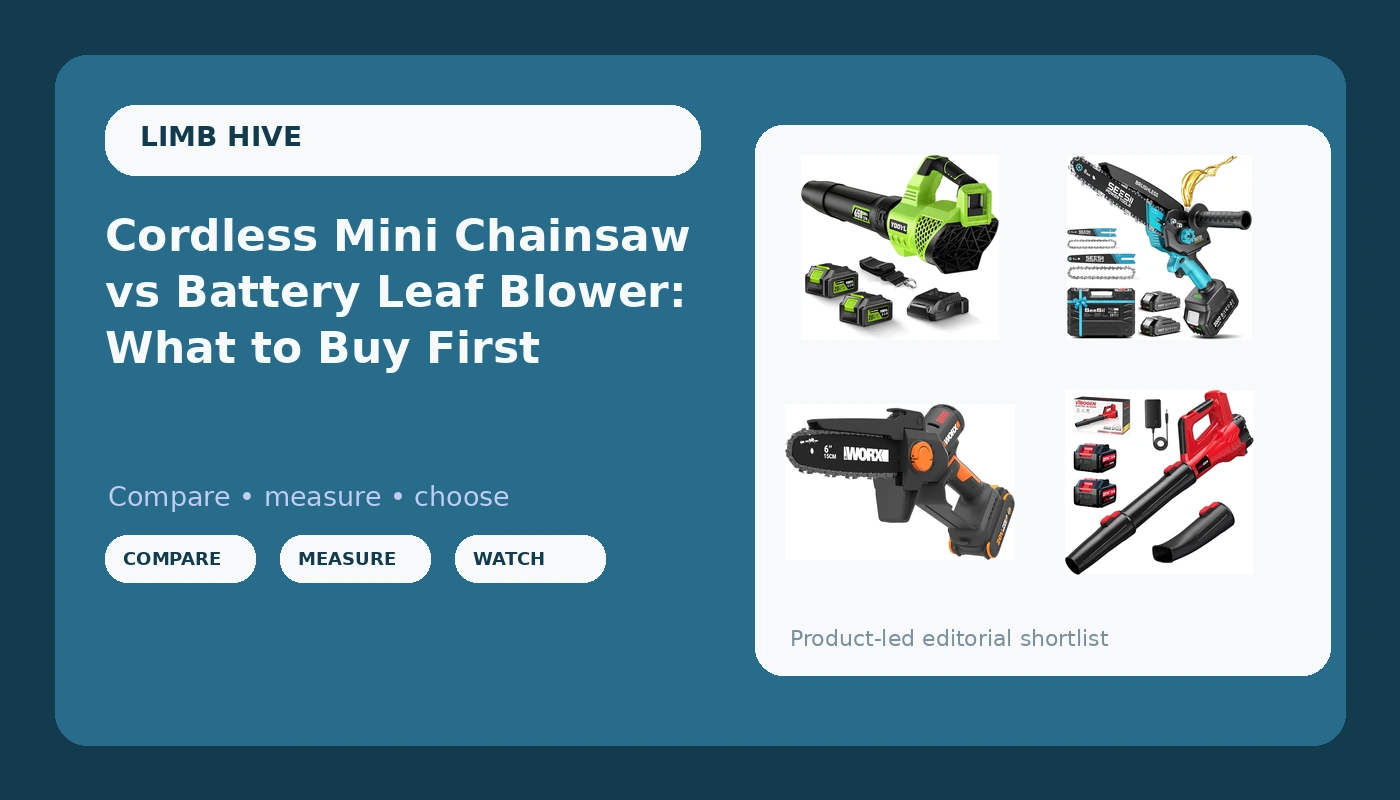
A cordless mini chainsaw and leaf blower are the two tools homeowners ask me about every time weather rolls through the Piedmont. I ran a tree service crew outside Charlotte for 12 years, and the calls in October are always the same shape: a maple dropped a limb across the driveway, the gutters are packed with wet leaves, and the guy on the phone wants to know if he can skip gas equipment entirely and do all of it on battery. Short answer, for the work most homeowners actually have: yes. Long answer is this comparison. Four battery tools, two saws and two blowers, plus the checks that decide whether any of them earn a spot in the garage.
If you are buying one battery tool this fall, buy the saw first and the blower second, because a limb on the ground is a hazard you have to cut up before the leaves sitting on top of it matter at all.
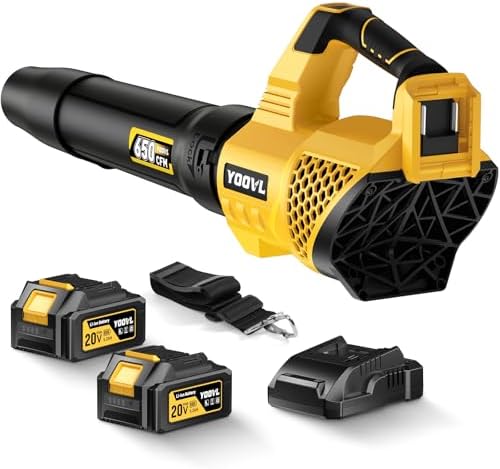
Leaf Blower Cordless, 650CFM Electric Leaf Blowers with 2 x 5.2Ah Batteries and Charger, 3 Speed Modes, 1 x Adjustable Shoulder Strap, Powerful Snow Blowers for Lawn Care, Patio, Dust, Blowing Leaves
Two batteries, a charger, three speeds, and a shoulder strap in one box. 650 CFM is the airflow number that actually moves wet leaves
Handheld, so it is arm work on a big yard, and the batteries are a closed loop that fits nothing else
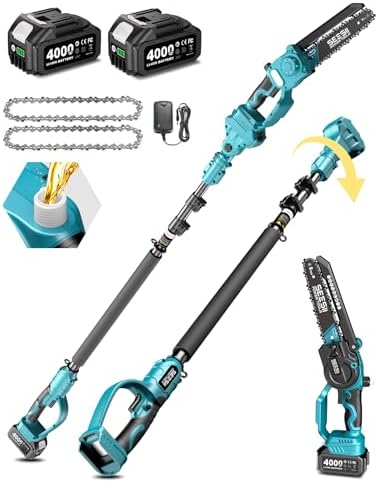
SEESII 8 Inch & 6 Inch Mini Chainsaw Cordless with 2 Batteries & Auto Oiler
Two bar sizes, two batteries, and an automatic oiler, which is the feature most small saws skip
It is a limb saw, not a felling saw. Factory chains are a lottery and the batteries fit only this kit
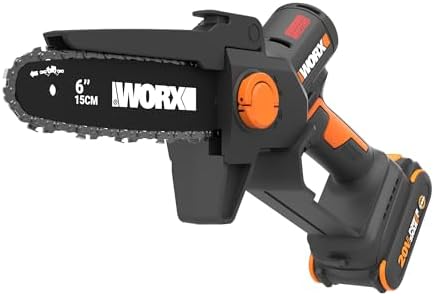
WORX Cordless Mini Chainsaw, 20V 6" Pruning Saw, WG327
20V WORX platform, so the battery fits other WORX tools, and the brand will still be selling packs in three years
One 6 inch bar only, no second battery in every SKU, and you pay for the platform and the name
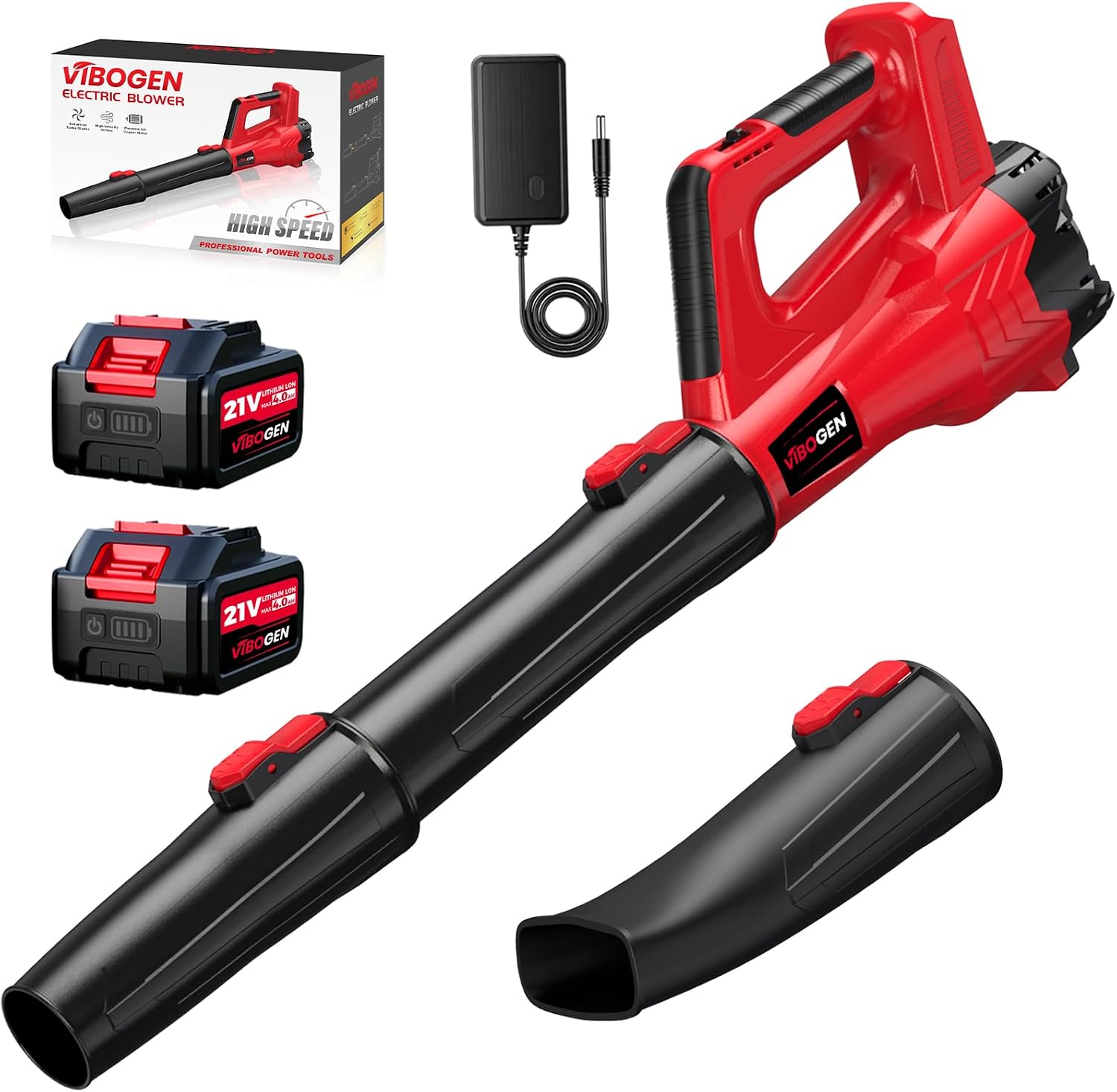
Electric Leaf Blower Cordless with Battery and Charger for Lawn Care Small
Light, simple, one battery and one charger, and the right size for a walkway, a pool deck, or a garage floor
The name says small. One battery means your work window is one charge, and an acre of wet oak leaves is not the job
Prices and availability were captured from Amazon Creators API and may change.
How I judge gear in this class
Five checks decide whether a tool rides in my truck or sits in the shed. First, cold start. A saw that needs coaxing at 6 a.m. in the rain is dead weight no matter what the box claims. Second, timed runtime on the highest setting, from a full charge, with my phone running the stopwatch. I have never once seen a runtime claim match a stopwatch. Third, battery fit. If the pack fits nothing else I own, I write down what a replacement costs before I write down anything else. Fourth, wet debris. Wet wood chips and wet leaves are the only honest test. Fifth, the warranty card. If the paperwork is not in the box, that goes in the review.
One thing I want to be straight about: these four listings have not been through a storm season on my truck. What follows is a mix of what the spec sheets promise, how the tools are actually built, and a dozen years of watching which designs hold up and which ones quit. Where I am going on construction rather than a stopwatch, I will say so.
The two mini chainsaws: bar length, oilers, and batteries
The SEESII kit is the more complete package on paper, and the reason is the auto oiler. On a small saw, oiling is the difference between a chain that lasts and a chain that stretches and dulls in a weekend. Manual oilers get forgotten, because you are holding a running saw in one hand and a branch in the other. An automatic oiler keeps the bar and chain wet while you work, which is exactly what you want on a saw this size.
The two bar lengths are the second win. A 6 inch bar handles pruning cuts, saplings, and branches you can close one hand around. The 8 inch bar takes the bigger limbs, the ones that fall across a driveway and have to be bucked into firewood lengths before you can drag them. Swapping bars on a mini saw is a five minute job, and it means one tool covers both jobs. Two batteries in the kit means one pack can be on the charger while you keep cutting, which is how a battery saw is supposed to be run.
The honest limits: a mini chainsaw is a limb saw. It is not a felling saw, it is not a storm saw, and it will not replace a 50cc gas saw on big wood. Factory chains also ship dull more often than people admit, so budget for a file and a spare chain, and check that replacement chains in the bar sizes you need are actually available before you buy. You can Visit on Amazon → to check what the current listing includes.
The WORX WG327 is the one I would look at first if I already own WORX 20V tools. That is the whole argument, and it is a strong one. A battery that fits your trimmer, your drill, and your saw is worth more than any spec on a sticker, and a brand that has been selling 20V packs for years is a brand that will have a pack for you in three years. The 6 inch pruning bar is right for branches, hedges, and cleanup work around the house.
The trade is capacity. There is one bar length, so anything the 8 inch bar would handle is off the table. Check the listing carefully, because some SKUs in a line like this ship as tool only, with no battery and no charger. If you are starting from zero and do not plan to buy another WORX tool, you are paying for platform support you may never use. You can Visit on Amazon → to see how the current SKU is configured.
The two cordless blowers: CFM over mph
The number that matters on a blower is CFM, cubic feet per minute. Airflow moves leaves. A blower advertised in miles per hour is selling you a sticker, because a narrow tube can hit a high airspeed number and still fail to move a wet pile off asphalt.
The 650 CFM kit is built like a serious homeowner tool. Two 5.2Ah batteries and a charger in the box, three speed modes, and an adjustable shoulder strap. That last part matters more than people think. A handheld blower is arm work, and by minute twenty your forearm is the limiting factor, not the battery. Three speeds means you have a low setting for pollen strands on a driveway and a high setting for wet leaves after a rain. Two batteries means the second pack is charging while the first one is working, and a blower drains a pack faster than a saw does.
The caveat on any airflow claim is that manufacturers measure CFM with a fresh battery and their own tube, and they do not print the test conditions. Expect the top number to be a fresh-battery, full-charge number, and expect it to fall off as the pack drains. The strap and the two packs are what make this one usable on a real yard rather than a patio. You can Visit on Amazon → to check the current kit contents.
The small electric blower is the tool I would hand a neighbor with a pool deck, a walkway, a garage floor, and a couple of flower beds. It is light, it comes with a battery and charger, and it is simple enough that nobody has to read a manual. For pollen strands in April, grass clippings after mowing, and dry leaves on concrete, that is mission accomplished.
Where it stops is volume. One battery means your work window is one charge, and a single-battery kit lives or dies on the charger it ships with. Look at the charger in the listing photos. If it is a brick style wall charger that only holds one pack, you are done when the battery is done, and that is a planning problem on a Saturday. It is also not the tool for an acre of wet oak leaves, and no small blower is. You can Visit on Amazon → to check what the kit includes.
The battery platform question
If the battery does not fit anything else you own, you are not buying a tool. You are buying a subscription to one brand's replacement packs, and those packs cost a large fraction of what a whole new kit costs. That is the trap I fell into twice, and it is the reason I now read the battery line before I read the price.
Two of these tools are self-contained kits: they ship with two batteries, a charger, and nothing else in the world that takes those packs. That is fine if the tool is a one-job purchase and you accept it. It is a bad plan if you intend to build a yard kit over the next three years. The WORX saw is the opposite case. It sits on an existing 20V platform, so the pack is an asset across tools, and the saw is a smaller purchase inside a bigger system.
Cross-brand battery adapters exist and I do not recommend them for anything you hold near your body. The saw draws real current, and a cheap adapter between a pack and a tool is a heat problem waiting to happen. Pick the platform you are most likely to expand in, then buy into it once.
What the spec sheets leave out
Four things never make it onto the box, and all four matter. Chain sharpness out of the box is number one. A sharp chain on a cheap saw beats a dull chain on an expensive saw every single time, and the chain is the part most likely to disappoint you on day one.
Charger style is number two. A wall wart that holds one battery at a time means you wait all afternoon for the second pack. Oilers are number three, and the automatic oiler on the SEESII kit is the reason it is the more usable saw of the two for real cleanup. Warranty paperwork is number four. If the card is missing and there is no email address on the website, that is part of the review, and you should know it before you need it.
Then there is safety, and this is the part I will not soften. Wear eye protection and hearing protection, and wear chaps if you are running any saw with a chain on it. Kickback happens when the nose of the bar bites, and it comes at your face, not your foot. Mini saws make one-handed cutting easy, and one-handed cutting is how people end up in the emergency room. Two hands, both feet planted, and never cut above shoulder height.
Who should buy which
If you have storm debris, limbs, and branches to break down, the SEESII kit with two bars, two batteries, and the auto oiler is the saw that covers the most ground for a homeowner.
If you already own WORX 20V tools, buy the WG327 and stop reading. One platform is worth more than one extra bar.
If you have a big yard and a real leaf problem, especially wet leaves, the 650 CFM kit with two 5.2Ah packs and the shoulder strap is the blower that will finish the job.
If your leaves live on a driveway, a pool deck, a walkway, or a garage floor, the small electric blower is the right size, the right weight, and the right amount of tool.
And if you are buying one thing this fall, buy the saw. Leaves sit on the ground and wait. Limbs block the driveway, and a bent limb under tension is a hazard you should not leave sitting until the weekend.
What I'm watching next
Storm season is the only test that counts, and it starts here in a few weeks. I will be timing the packs in the 650 CFM blower on the highest setting, from full charge to dead, and running both mini saws through wet wood to see which chain holds an edge longer. I want to know whether the auto oiler on the SEESII kit keeps up on an hour of continuous limbing, and whether the WORX saw bogs when the wood is soaked. Those results go in the job book, and the job book decides what rides in the truck next spring.