I keep two things in the truck that decide whether a storm cleanup finishes on time: a blower that moves wet leaves and a chainsaw sharpening kit that keeps a chain biting. A dull chain turns a 20 minute limb job into an hour of leaning on a saw, and a weak blower turns a clean driveway into a rake job. So when I line gear up side by side, I line it up against the worst day of the year instead of the best one. This comparison covers the four items that keep a two tool kit running: a cordless blower, a gas blower tune up kit, and two very different ways to keep a chain sharp.
Related: Leaf Blower CFM Vs MPH: What The Numbers Actually Mean
The short version: the cordless 650 CFM blower with two batteries in the box is the pick that changes an average Saturday, the Oregon field sharpening kit is the cheapest way to keep a saw cutting, the Sharp Pebble electric sharpener is for the guy with five chains on the wall, and the Husqvarna tune up kit is only worth the money if you already run one of those backpack blowers.
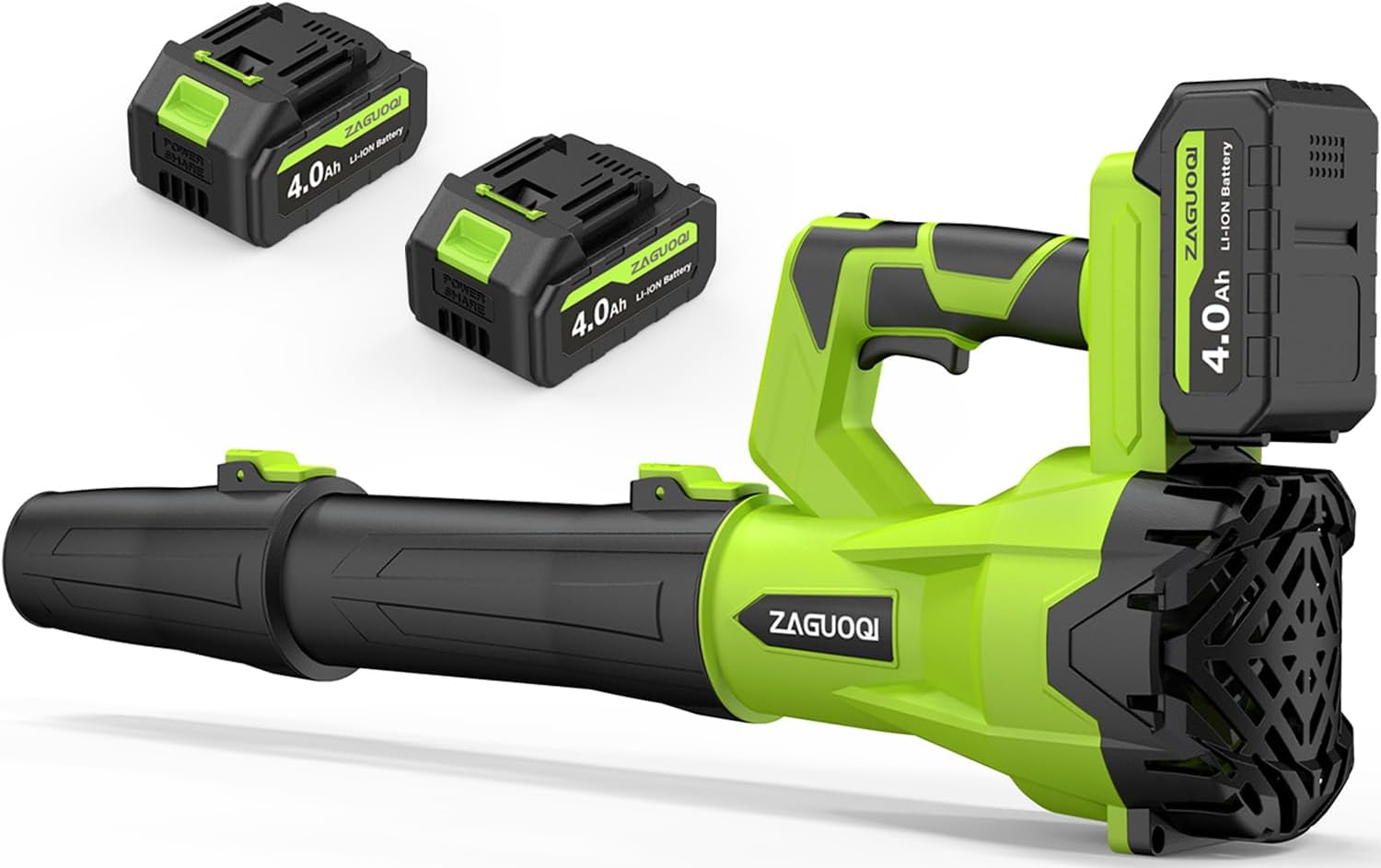
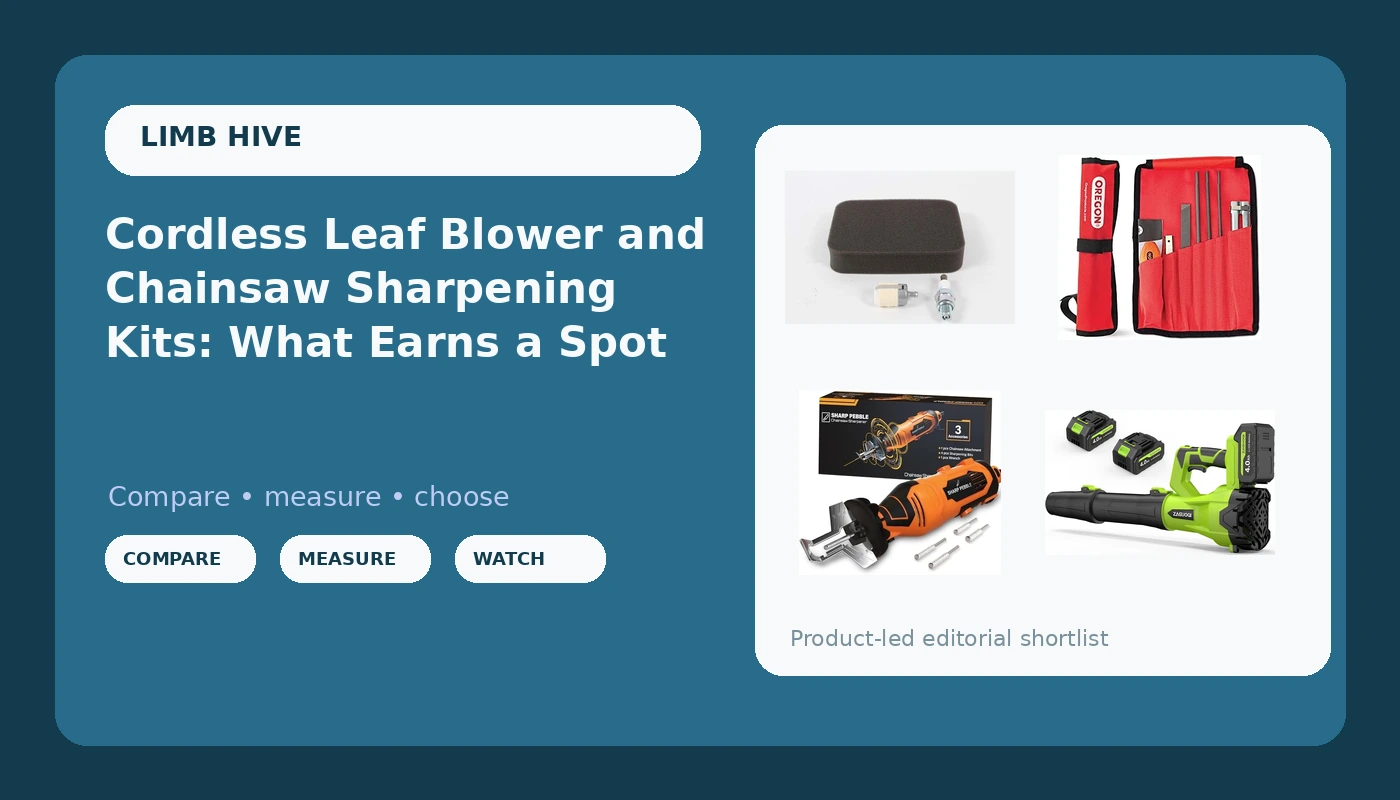
Leaf Blower Cordless 650CFM 288MPH Electric Leaf Blower with 2 x 4.0Ah Battery Operated, 6 Speed Mode, 20V Powered Handheld Blowers for Lawn Care, Patio, Dust, Blowing Leaves
Real airflow claim for a handheld, two batteries in the box, six speeds for delicate work
Runtime on full blast is the unknown, and the battery platform needs a hard look
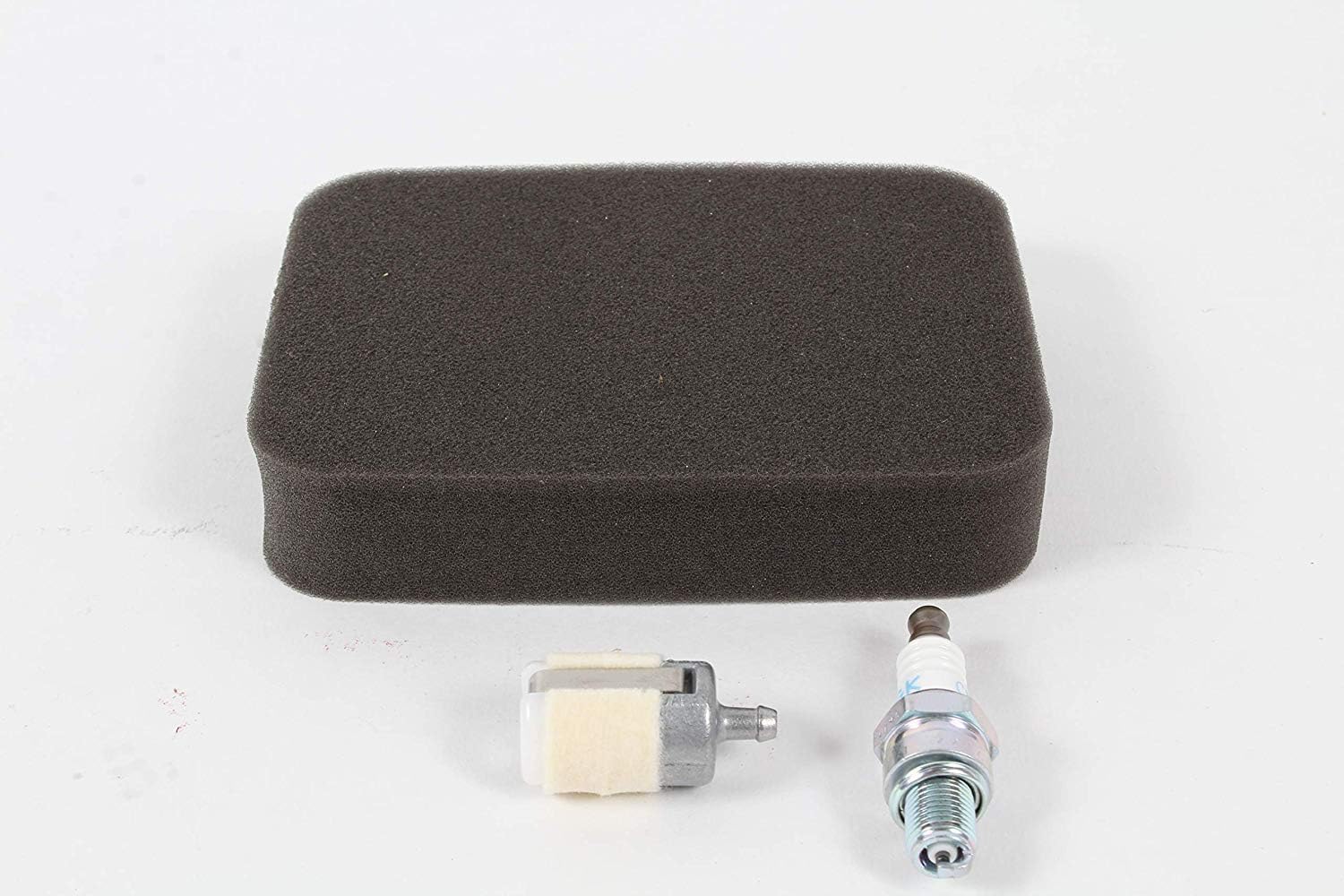
Husqvarna 590849001 OEM Leaf Blower Tune Up Kit 150BT 350BT 560BT
OEM parts for a gas workhorse, cheap insurance against a no start in spring
Fits only those three Husqvarna models, and it will not make a small blower bigger
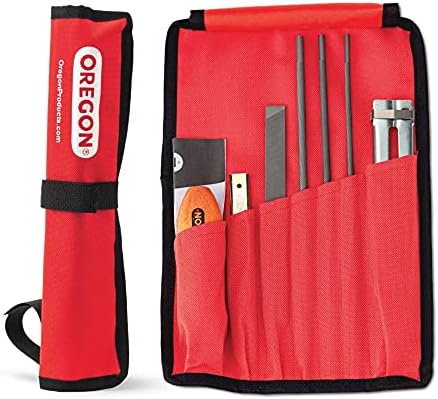
Oregon Universal Chainsaw Field 7 Piece Sharpening Kit
Lives in the truck, fits most chains, handles the touch ups that matter most
Hand filing is a skill, and no file kit rescues a chain you rocked into dirt
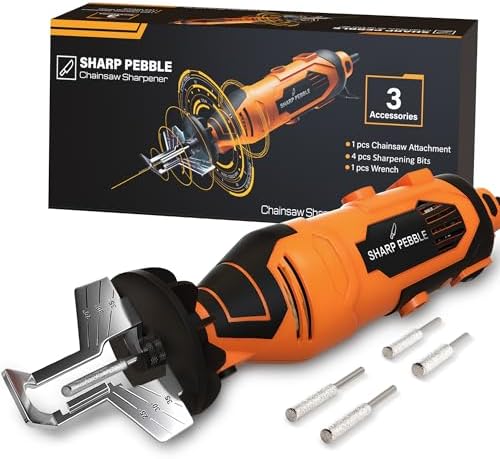
Sharp Pebble Electric Chainsaw Sharpener Kit, Chain Saw Sharpening Tool
Repeatable angles, fast enough to justify a bench spot
Needs power and a bench, and an electric grinder removes tooth in a hurry if you lean on it
Prices and availability were captured from Amazon Creators API and may change.
How I judge gear like this
Five questions, in this order. Will it start cold, first pull, after a night in the truck? How long does the battery really last on full blast, timed with a phone instead of read off the box? Does the battery fit anything else I own? Can it cut wet wood or move wet leaves? And is the warranty card actually in the box?
I have not run a full storm season on these four specific items, so I am not going to hand you stopwatch numbers I did not take. What I can do is tell you what each one is built to do, what the spec sheet is really selling, and the questions I would ask before I paid. That is the honest version of a comparison, and it is worth more than a page of invented test results.
The gear in this group splits into two jobs. One item does the work: the blower. The other three keep tools working, which is the part most people skip until a saw quits mid cut or a backpack blower will not fire on the first cold morning of the season.
What matters in a blower: CFM, not mph
The Leaf Blower Cordless 650CFM 288MPH Electric Leaf Blower is a handheld 20 volt tool with two 4.0Ah batteries, six speed modes, and a 650 CFM airflow claim. Here is the part that matters: 650 CFM is airflow, and airflow is what moves debris. The 288 mph figure is a sticker number. Miles per hour tells you how fast the air leaves the nozzle, not how much of it arrives. A blower rated in mph is selling you a number, not a leaf pile.
Six speeds sound like marketing until you use them. Low speed is for pollen strands on a concrete driveway, dust in a garage, and dry leaves on a mulched bed you would rather not strip bare. High speed is for the walkway and the driveway after a windy night. Two batteries in the box is the real value here, because a spare battery means the job keeps moving while the first one charges. Wall wart chargers that only fill one battery at a time are a pet peeve of mine for exactly this reason.
What this class of blower will not do is clear an acre of wet oak leaves after a storm. The budget 20 volt blowers with two batteries included are great for the price, and they are perfect for a driveway, a pool deck, a walkway, a patio, and the gutters you can reach from a ladder. Ask one to move a soaked yard and you will be out there all afternoon. That is not a knock on the tool, it is a job description.
Runtime is always the catch with battery gear, and no box tells the truth about it. Time it yourself, from a full charge, on the highest setting, and write the number on the battery with a marker. Visit on Amazon → before you decide, because this is the one item in the group that does the actual work.
Battery platform: read the fine print before the price
One platform, or it is a paperweight. That is the rule I run, and it is the rule that saves money over three years. Before you buy any cordless tool, answer one question: what else in your garage does this battery fit?
If the answer is nothing, then the second battery in the box is doing double duty as your only spare, and that changes the math. Replacement batteries cost half the price of a whole new blower, which is the real price of a proprietary platform. A dead end battery is a trap, and the trap is not obvious on the day you buy it.
Two other things get checked before the price. First, the warranty card. If it is missing from the box, that is part of the review, and it is a reason to look elsewhere. Second, the charger. A brick style charger that only charges one battery at a time means you will wait all day for the second battery, which is the same as owning one battery on a long job. If you already run 20 volt tools from the same family, the blower becomes a much easier call. If you do not, buy it knowing what you are getting into.
The chain is the saw, so sharpening gear earns its spot
A sharp chain on a $150 saw beats a dull chain on a $900 saw every single time. That is not a slogan, it is the cheapest performance upgrade in this entire comparison, and it is why two sharpening options are on the table.
The Oregon Universal Chainsaw Field 7 Piece Sharpening Kit is the truck kit. Files, guides, and handles in one case, sized to fit most chains, built for touch ups in the field. Ten strokes on each tooth, every tank of gas, and a chain stays in the game. It wins because it is portable and it costs less than one replacement chain. It loses because hand filing is a skill, and the old timer who taught me did it by feel with no gauge and still cut true. You will not file like that on day one.
The Sharp Pebble Electric Chainsaw Sharpener Kit is the bench answer. An electric sharpener holds an angle and repeats it, which is exactly what a hand file cannot promise. If you run several saws and keep a wall of loops, this is the tool that makes a sharpening session take minutes instead of an evening. It loses on two counts: it needs power and a bench, so it never rides in the truck, and an electric grinder removes tooth fast if you lean into it. Take light passes and check the cutter often.
Visit on Amazon → on the field kit first if money is tight. It is the smaller purchase and the one that pays back the fastest.
Field file or electric sharpener
Pick by how you actually work, not by which one sounds more professional.
If you cut a few times a month and you touch up a chain before it goes dull, the hand kit is enough. It is cheap, it lives in the truck, and it handles the 90 percent case: a chain that needs a light pass, not a rebuild. Keep a spare loop in the case and swap it instead of fighting a dull chain mid job.
If you let chains go dull, if you have three or more loops in rotation, or if you sharpen for a crew, the electric unit earns its bench space. It also helps if you are the guy whose hand filing wanders and produces a chain that pulls to one side. A consistent angle fixes that.
The honest answer for a lot of people is both, and the pair still costs less than a mid range bar and chain combo. Neither one is a substitute for keeping the chain out of dirt and off concrete, which is what dulls a chain faster than wood ever will.
Keeping a gas backpack blower out of the scrap pile
Gas is still the boss on large yards and storm debris. A backpack gas blower will finish a job a handheld battery blower cannot even start, and that is not a knock on battery tools, it is just airflow and runtime math. Which is why the Husqvarna 590849001 OEM Leaf Blower Tune Up Kit makes the list.
This is an OEM kit for the 150BT, 350BT, and 560BT backpack blowers. Check your model number before you order, because it fits those three and not a universal spread of machines. If you own one of them, this is cheap insurance: fresh parts, a clean fuel path, and a blower that fires on the first pull in cold weather instead of getting pushed to the back of the shed. A saw or blower that will not idle right in cold weather is usually a fuel problem, not a brand problem, and a tune up kit is how you fix a fuel problem.
It loses because it is not a tool and it is not universal. If you run a different brand, or a handheld gas blower, this is not your kit. Visit on Amazon → and compare it against the cost of a shop visit, which is the real alternative.
The trade-offs, in plain terms
The cordless blower buys you no pull start, no exhaust, no mixing fuel, and a light tool you can hand to anybody. You pay for it in runtime on the highest setting and in a battery platform you need to check before you commit.
The Husqvarna tune up kit buys you another season or three out of a gas backpack blower you already own. You pay for it in a narrow fit list and in the fact that it does nothing for a different machine.
The Oregon field kit buys you a sharp chain anywhere, any time, for very little money. You pay for it in practice, because a hand file rewards technique.
The Sharp Pebble electric sharpener buys you repeatable angles and speed across a pile of chains. You pay for it in bench space, a power outlet, and the discipline to take light passes.
How I would spend the money
Start with the sharpening gear, because a dull chain is the most common reason a good saw feels like a bad saw. The field kit is the smaller spend and the bigger immediate difference. Add the electric sharpener later if you build up a rotation of loops.
Then the blower, if your work is driveways, decks, walkways, and patios. That is the job it was built for, and the two battery setup keeps it moving. If your work is an acre of wet leaves and storm debris, save your money for a gas backpack and put this blower on porch duty instead.
The tune up kit is last, and only if a Husqvarna 150BT, 350BT, or 560BT is already sitting in your garage. It is not a starter purchase. It is maintenance for a machine that has already proven it can move wet debris, which is the only test that matters.
The bottom line
A cordless leaf blower and a chainsaw sharpening kit solve two different problems, and most people need the sharpening kit before they need the blower. Airflow moves debris, miles per hour sells stickers, and a sharp chain is the cheapest speed you will ever buy for a saw. Check the battery platform, check the model fit, check the warranty card in the box, and time your own runtime instead of trusting the number on the packaging. That is how you end up with gear that works on the worst morning of the year instead of gear that looked good in the cart.