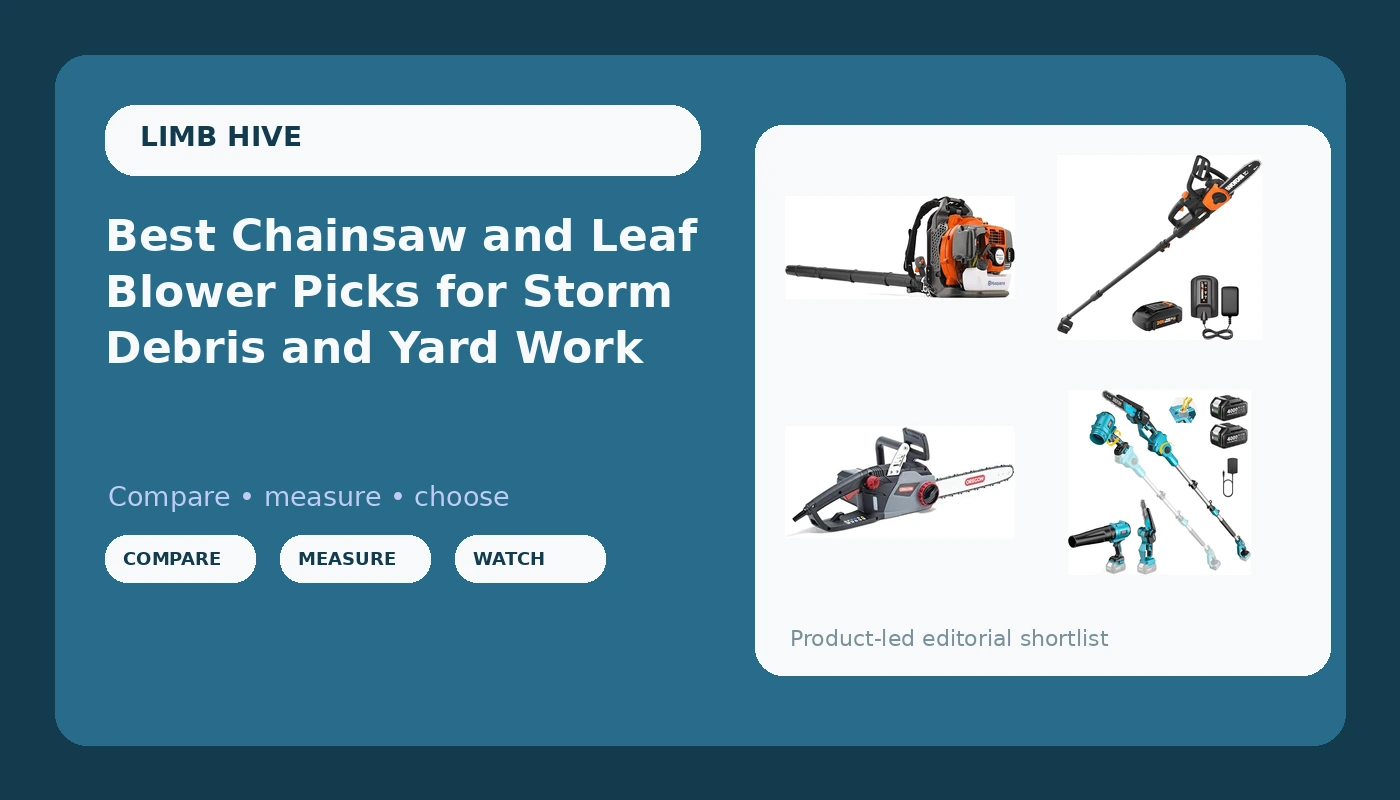
Storm season does not ask what you planned to spend. It drops a red oak across the driveway, packs the gutters with wet leaves, and leaves you standing in the yard at 6 a.m. deciding whether the tool in your hands will actually start. That is the problem this guide addresses. Below is a chainsaw and leaf blower comparison built around the work most people really face, from a single downed limb to a full weekend of debris hauling, with six tools covering gas, corded electric, and battery power. The differences that decide a purchase are laid out plainly instead of buried in a sticker.
Related: Chainsaw Chain Sharpening: How to Keep a Saw Cutting Straight
Quick answer
The Husqvarna 350BT Gas Leaf Blower is the strongest fit for large yards and storm debris because its 50.2cc 2-cycle engine, 692 CFM airflow rating, and backpack harness are built for long clearing sessions rather than a quick pass over a walkway. Choose the Oregon 2400W Corded Electric Chainsaw instead when the cutting happens near an outlet, the wood is moderate, and you would rather skip fuel mixing and cold starts entirely.
Chainsaws and leaf blowers worth comparing
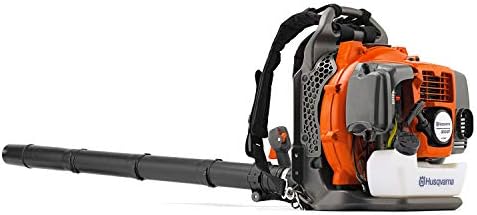
Husqvarna 350BT Gas Leaf Blower, 50.2-cc 2.1-HP 2-Cycle Backpack Leaf Blower with 692-CFM, 180-MPH, 21-N Powerful Clearing Performance and Ergonomic Harness System, Gifts for dad
A 50.2cc 2-cycle backpack blower rated at 692 CFM and 180 MPH, with a 2.1-horsepower engine and an ergonomic harness system that shifts the weight onto your shoulders and back instead of your forearms. Backpack gas power is the format that finishes large yards and wet storm debris.
Visit on Amazon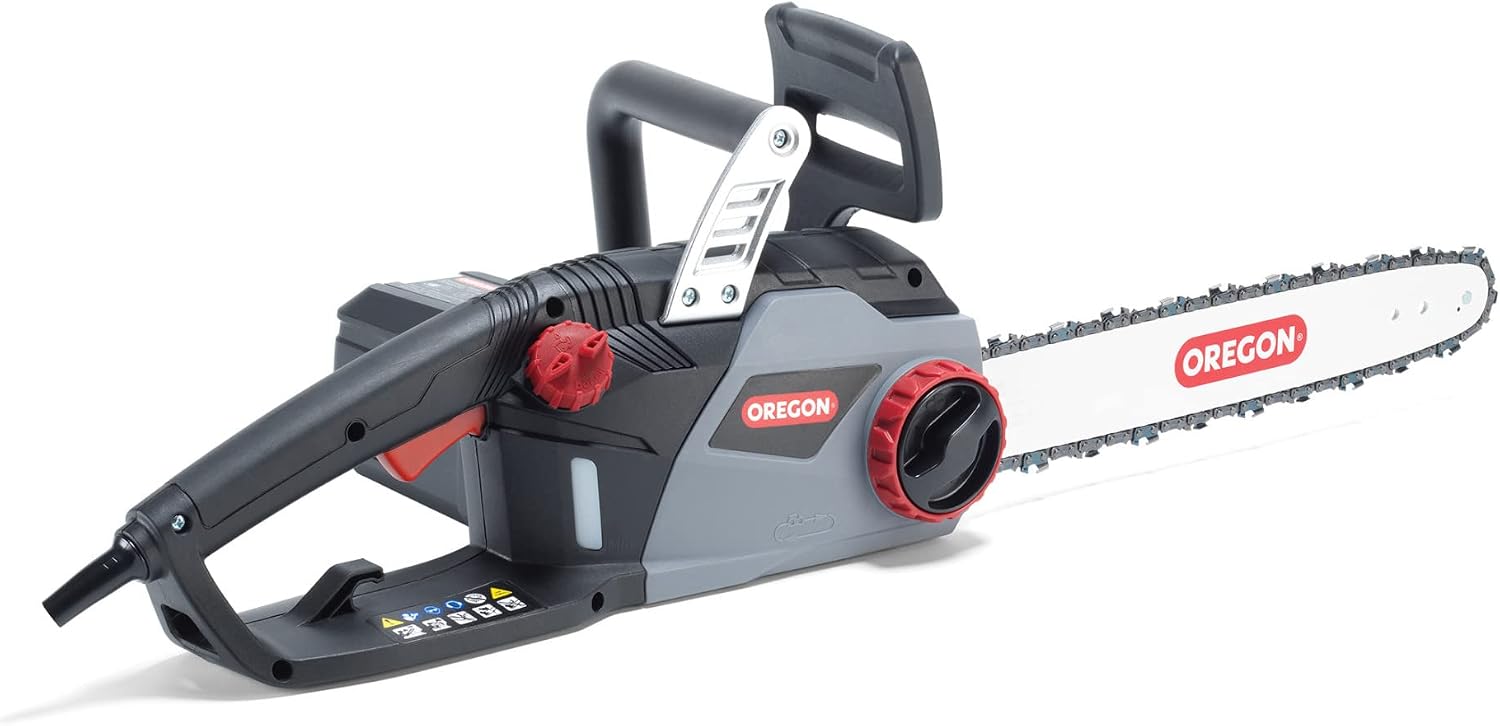
Oregon 2400W Corded Electric Chainsaw with 16" Guide Bar & Saw Chain
A 2400-watt corded electric saw paired with a 16-inch guide bar and saw chain. Corded power takes fuel mixing, cold starts, and battery runtime out of the equation, which is a real advantage for work within reach of an outlet.
Visit on Amazon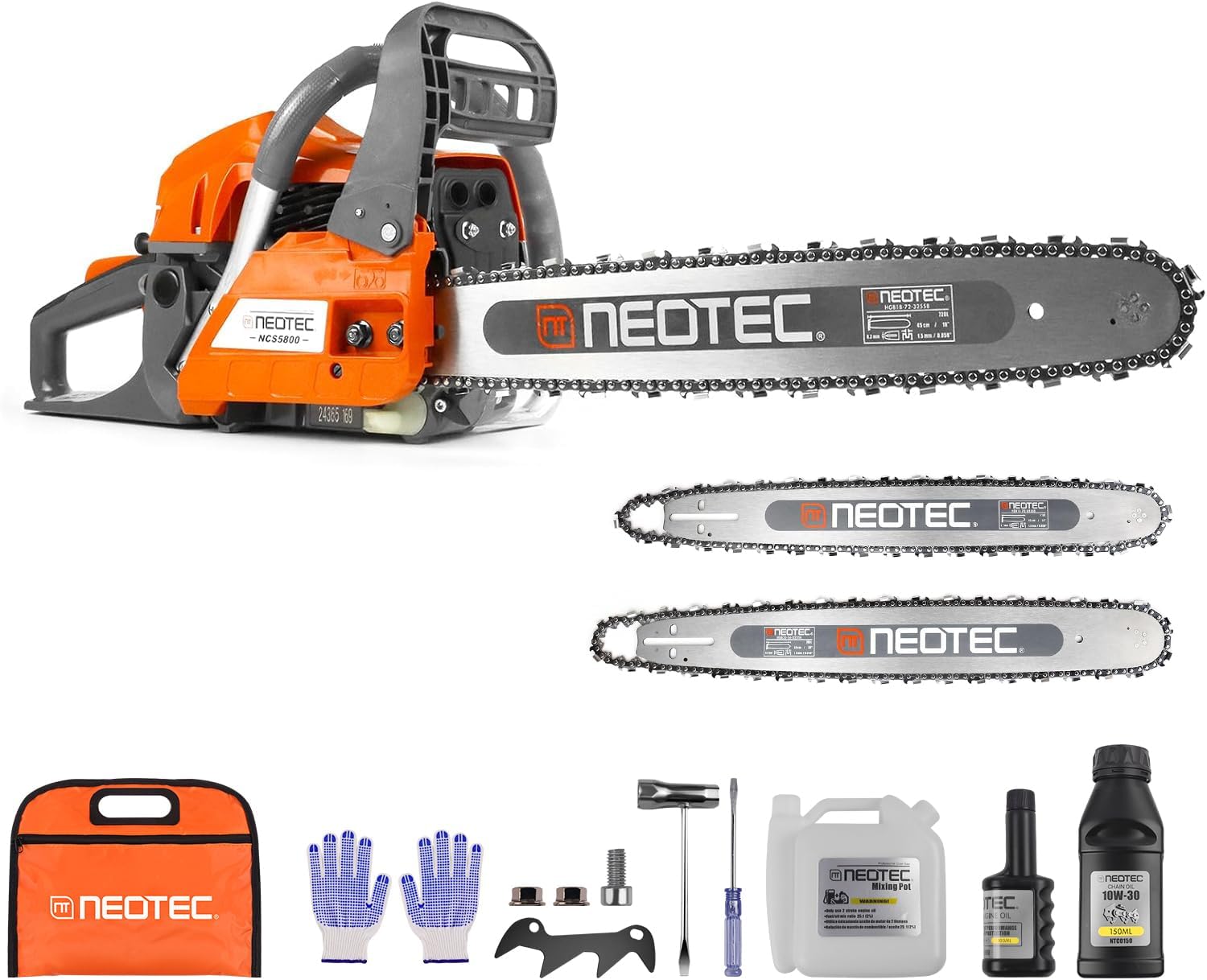
58CC Gas Powered Chainsaw 18 20 Inch Bars Chain Ergonomic Chainsaw Chain Brake Anti-Vibration System, 2-Cycle Petrol Motosierra De Gasolina for Tree Cutting Firewood Wood Yard Cleaning
Check current Amazon price
A 58cc 2-cycle gas saw offered with 18-inch and 20-inch bar options, a chain brake, and an anti-vibration system. Aimed at tree cutting, firewood processing, and yard cleanup, which is the middle of the gas saw range.
Visit on Amazon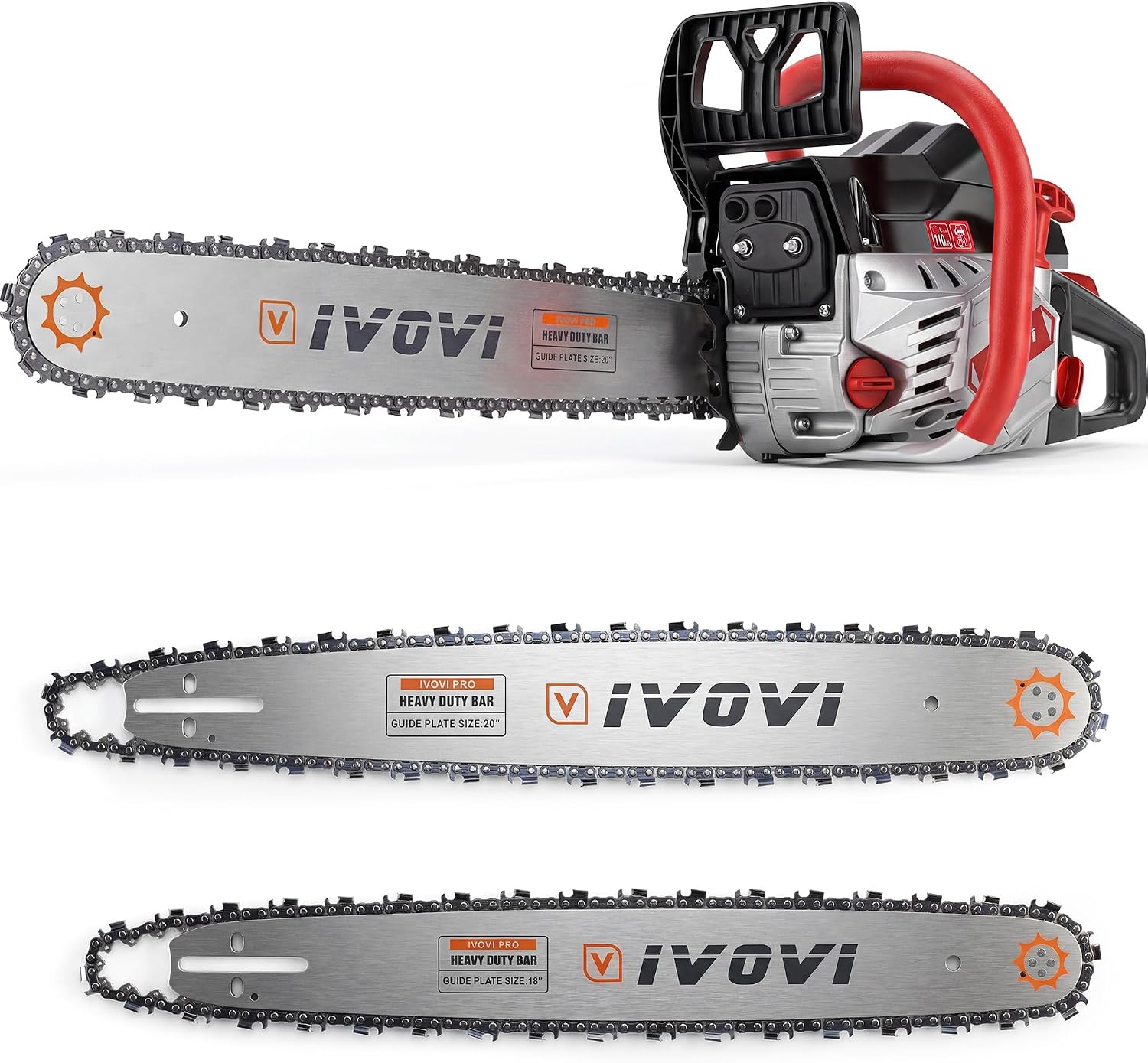
63CC Gas Chainsaw with 20-Inch and 18-Inch Bars
A 63cc gas chainsaw that ships with both a 20-inch and an 18-inch bar. This is the largest displacement in the group, which points toward bigger wood and longer bars rather than light trimming.
Visit on Amazon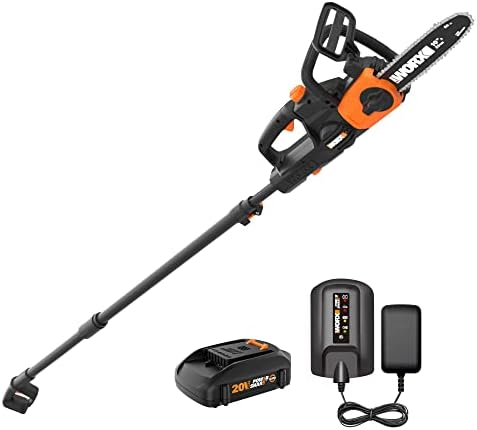
WORX Cordless Chainsaw, 20V 10" 2-in-1 Pole Saw with Auto-Tension, WG323
A 20-volt cordless 10-inch 2-in-1 pole saw with auto-tension, sold as the WG323. The pole format reaches limbs from the ground, and the 20V battery keeps the whole tool light enough for repeated overhead work.
Visit on Amazon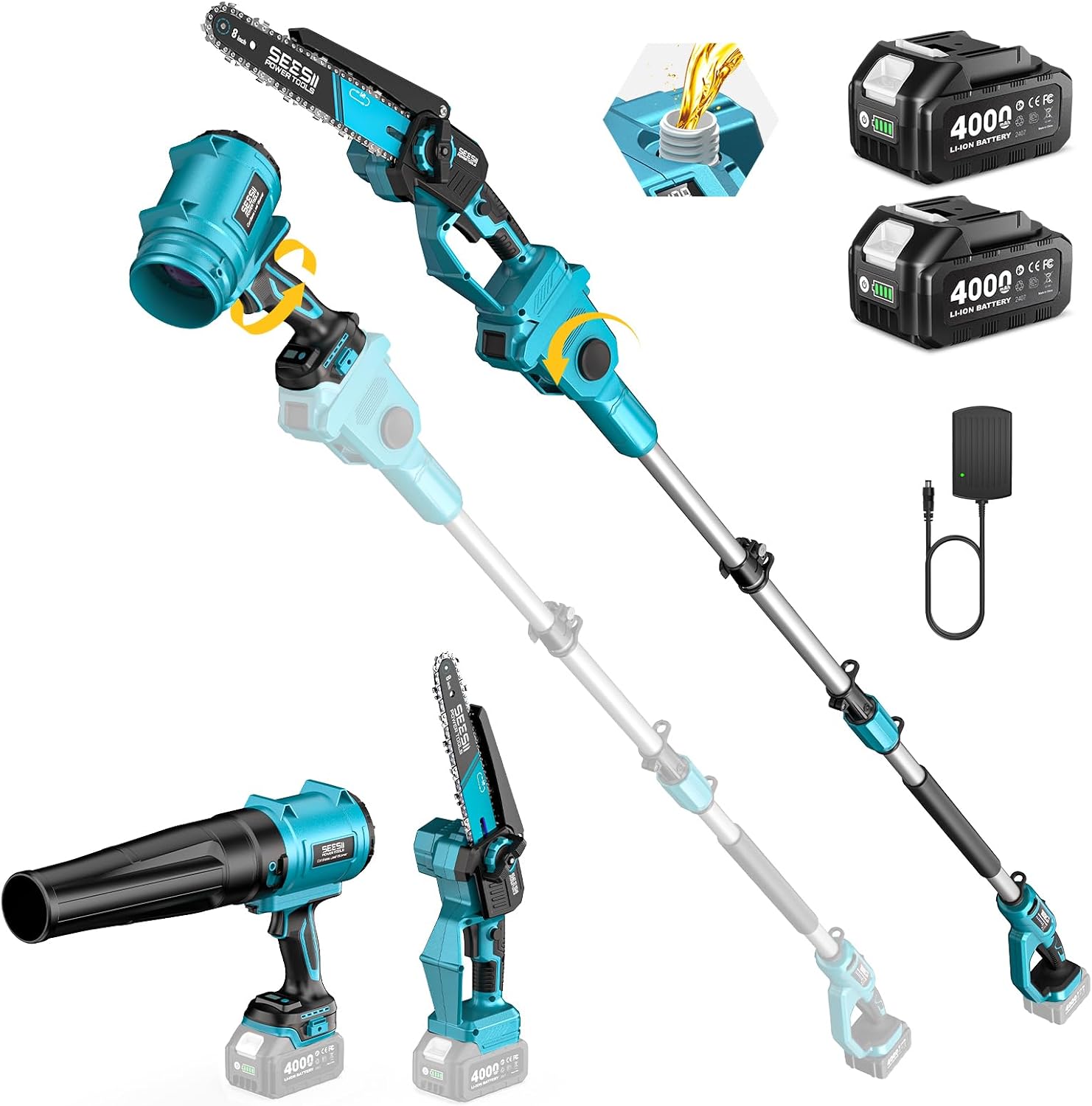
SEESII 4-in-1 Cordless 8 Inch Pole Chainsaw & Leaf Blower Battery Powered
A cordless 4-in-1 kit built around an 8-inch pole chainsaw and a leaf blower, both battery powered. Two tools on one platform for light trimming and quick cleanup, which is a different job than felling or bucking firewood.
Visit on AmazonPrices and availability may change. Check the retailer for current details.
How these products were compared
This guide compares power source and fuel type, bar and chain size, airflow and clearing ratings, ergonomics including harness or handle design, and what it takes to keep each tool running through a season. Product names, images, and retailer links are matched to the same product record so every card points to the product shown.
Nothing here is presented as hands-on testing of every unit. The comparisons rest on published specifications and on the way each tool is designed to be used, which is enough to separate a storm tool from a weekend trimmer. Prices and availability move, so use the link on each card to confirm current price, stock, and return terms before you commit.
How to choose the right chainsaw or blower
The first decision is power source, and it should be driven by the job, not by fashion. Gas tools win on sustained output: a 50cc backpack blower will run all afternoon on a tank, and a 58cc or 63cc saw will keep pulling a 20-inch bar through hardwood when a smaller powerhead starts to bog. The trade is real, though. Gas means mixing fuel, storing it properly, changing spark plugs, and accepting that a saw which sat all winter may need attention before it cuts anything. For storm work, that reliability question is the whole ballgame.
Corded electric sits in the middle. The Oregon 2400W saw delivers constant power with no fuel and no battery to run down, and it starts every time you squeeze the trigger. What it will not do is follow you to the back of the property. If your cutting happens near a garage, a shed, or an outlet, corded is the least fussy option on this list. Battery sits at the other end: instant starts, no exhaust, and no cord, at the cost of runtime that ends when the pack does. The number I check before anything else is what else that battery fits. One tool with a dead-end battery is a trap, and a replacement pack can run a big fraction of the price of a whole new tool.
The second decision is size, and this is where spec sheets mislead people most. Bar length is not cutting capacity. A 20-inch bar on a powerhead that cannot pull it will bog and pinch on a 10-inch log, which is a worse experience than a 16-inch bar on a saw that has power to spare. Match the bar to the wood you actually cut most of the year, not the biggest trunk you might see once.
For blowers, compare CFM before anything else. Airflow moves leaves; miles per hour is a sticker number. A blower that moves dry leaves off a driveway is doing the easy half of the job, and wet oak leaves or wet wood chips are the honest test. Harness design matters just as much as the rating, because a backpack blower that puts weight on your shoulders is a tool you can run for two hours, while a heavy handheld is a tool you put down after twenty minutes. If you want to go deeper on chain care, that work pays off more than any upgrade, because a sharp chain on a modest saw beats a dull chain on an expensive one every time.
Husqvarna 350BT Gas Leaf Blower
The Husqvarna 350BT is the top pick here because its specifications line up with the hardest part of yard work: sustained clearing. The 50.2cc 2-cycle engine and 2.1-horsepower rating support a 692 CFM and 180 MPH airflow claim, and that airflow number is the one that decides whether wet debris moves. The ergonomic harness system is the other half of the case. Backpack format puts the engine on your back and the tube in your hands, which is how you get through a full property without your arms going dead, and it is why gas backpacks still own large yards and storm cleanup.
The trade-off is honest and worth stating. This is a gas 2-cycle tool, so it needs mixed fuel, regular air filter and spark plug attention, and it is louder and heavier than any battery handheld. It also will not help you cut anything. If your yard is a driveway, a pool deck, and a walkway, this is more blower than the job requires, and a battery handheld would be the smarter spend. If you are clearing an acre of wet leaves after a storm, the 350BT is the tool that finishes the job.
Alternatives to consider
The Oregon 2400W Corded Electric Chainsaw is better suited to homeowners who cut near an outlet, want zero fuel and zero battery management, and mostly process limbs and small firewood, while the 58CC Gas Powered Chainsaw is a stronger fit when you need one gas saw that covers tree cutting, firewood, and yard cleanup with a choice of 18-inch or 20-inch bars, a chain brake, and an anti-vibration system for longer sessions.
The 63CC Gas Chainsaw with 20-Inch and 18-Inch Bars, the WORX Cordless Chainsaw WG323, and the SEESII 4-in-1 Cordless 8 Inch Pole Chainsaw & Leaf Blower cover the remaining use cases. The 63cc saw is the largest displacement here and comes with both a 20-inch and an 18-inch bar, which points at bigger wood and heavier bucking. The WORX WG323 is a 20-volt 10-inch 2-in-1 pole saw with auto-tension, a reach tool for limbs you want down without a ladder. The SEESII kit bundles an 8-inch pole chainsaw and a leaf blower on battery power, which suits light trimming and quick cleanup rather than felling.
Day-to-day use and maintenance
Gas saws and blowers live or die on fuel and air. Mix fresh fuel at the ratio the manual specifies, use it within a few weeks, and do not leave a tank of old mix sitting in a saw over winter, because that is what turns a cold-start problem into a carburetor rebuild. Keep the chain sharp and the bar oil full, check the air filter, and replace the spark plug on schedule. A chain that pulls to one side is usually a sharpening problem, not a saw problem. On blowers, keep the intake and tube clear and check the harness straps for wear before a long session, since a strap that fails mid-job is its own kind of hazard.
Battery tools need a different discipline. Charge packs before the job, not during it, store them out of extreme heat and cold, and pay attention to the charger style. A wall wart charger that only fills one pack at a time means you will wait all day for the second battery, which is the hidden cost of a cheap kit. For any of these tools, safety gear is not optional: chaps, eye and ear protection, and a hard hat for overhead work. Read the manual for the specific model, and never cut overhead with a pole saw while standing directly under the limb.
Buying checklist
- Measure the diameter of the wood you cut most often, not the biggest log you have ever seen.
- Choose bar length based on that normal use, and let engine displacement support it.
- Compare blower airflow in CFM rather than miles per hour.
- Confirm the exact model includes the features you need, such as a chain brake, anti-vibration system, or harness.
- Check what other tools the battery platform fits before buying a cordless kit.
- Verify the current retailer price, availability, and return terms through the card link.
Final recommendation
Choose the Husqvarna 350BT Gas Leaf Blower when your work is large-yard clearing, storm debris, and wet leaves, and you want a backpack tool with the airflow and harness to run for hours. Choose the Oregon 2400W Corded Electric Chainsaw when your cutting stays within cord reach, you want instant starts and no fuel, and your wood is moderate. If you need a single gas saw for mixed tree work, the 58cc model is the balanced pick, the 63cc is the one for bigger wood, and the WORX pole saw or the SEESII kit covers reach trimming and light cleanup. Pick the tool that matches the job you do every season, keep the chain sharp, and check current pricing before you buy.