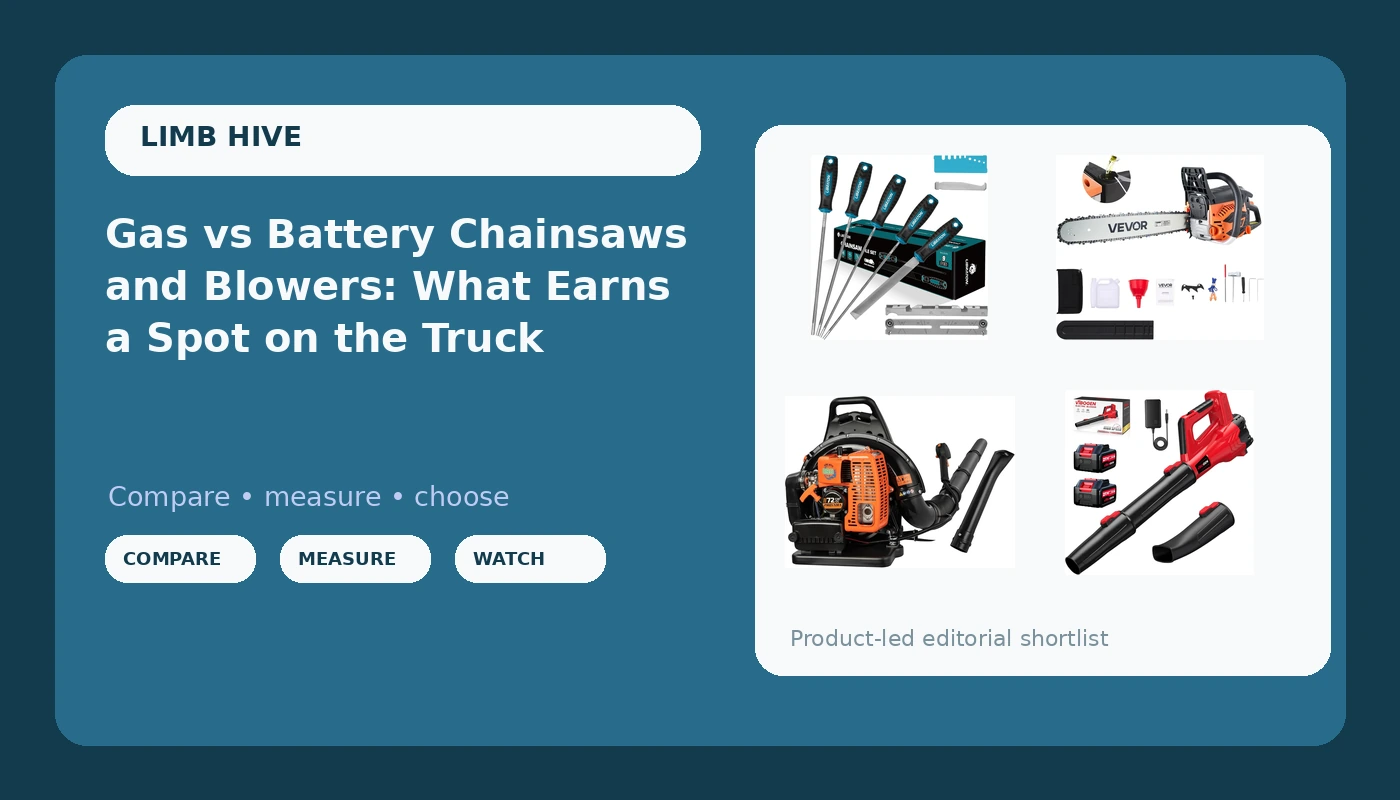
Twelve years running a tree crew outside Charlotte taught me that a storm kit is not a shopping list. It is a set of jobs that have to be finished before dark: a tree down across a driveway, a roof that needs clearing, a walkway buried under wet oak leaves, a chain that went dull two limbs into the cleanup. This gas vs battery chainsaws and blowers comparison covers the four pieces I would hand a new ground guy on day one. One gas saw, one gas backpack blower, one cordless handheld blower, and the file set that keeps the saws cutting. Two of these tools burn mixed fuel. Two of them run on a battery. That split is the whole story, and it decides which one you reach for first when the weather turns.
The short answer: gas still owns the storm work. A 62cc saw and a 72cc backpack blower are the two pieces that finish jobs a battery cannot touch, while a cordless handheld blower and a three-file sharpening kit cover the ninety percent of days that are not a storm.
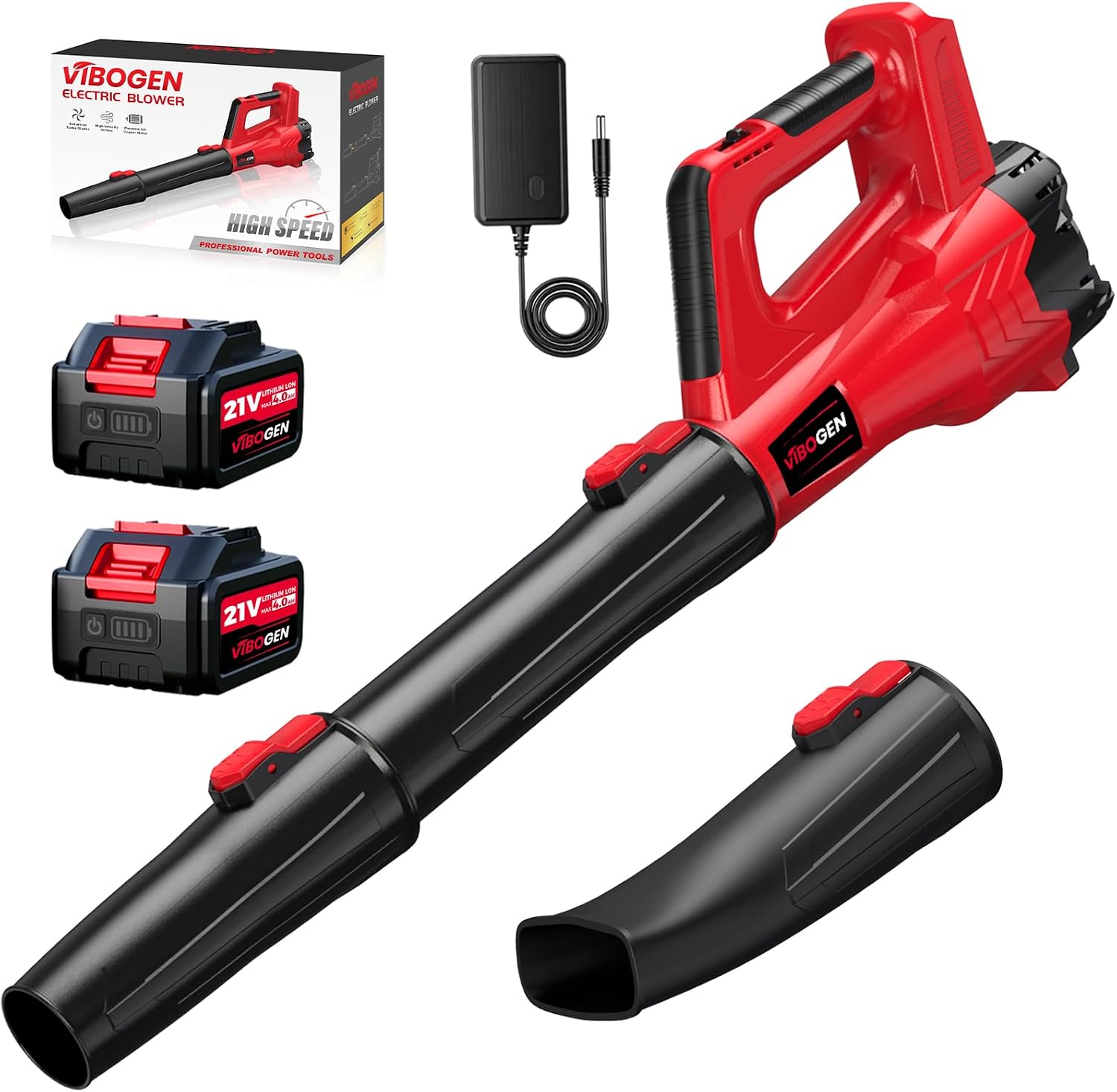
Electric Leaf Blower Cordless with Battery and Charger for Lawn Care Small
Battery and charger are in the box, so the first job costs you nothing extra; grab-and-go for driveways, pool decks, and walkways with no fuel to mix and no pull start
Small handheld class, so runtime on high is the catch, and the battery is a dead end if it fits nothing else you own
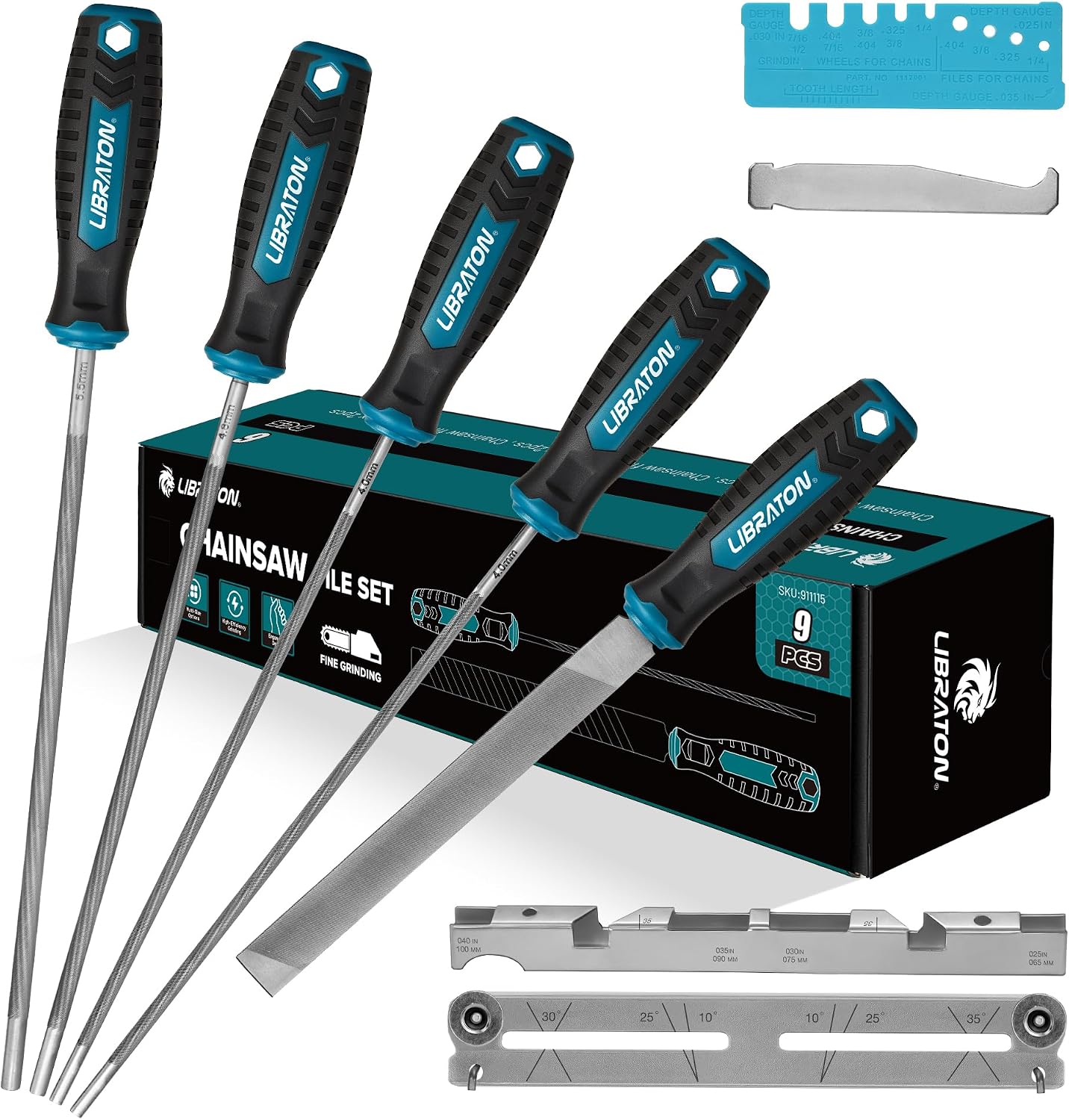
LIBRATON Chainsaw File Set, 5/32", 3/16", 7/32" Chainsaw Sharpener File
Three file sizes cover the chain pitches most homeowner and crew saws run, which makes it the cheapest performance upgrade in this table
It is maintenance, not a tool. Buy it and never learn the stroke count and it does nothing for you
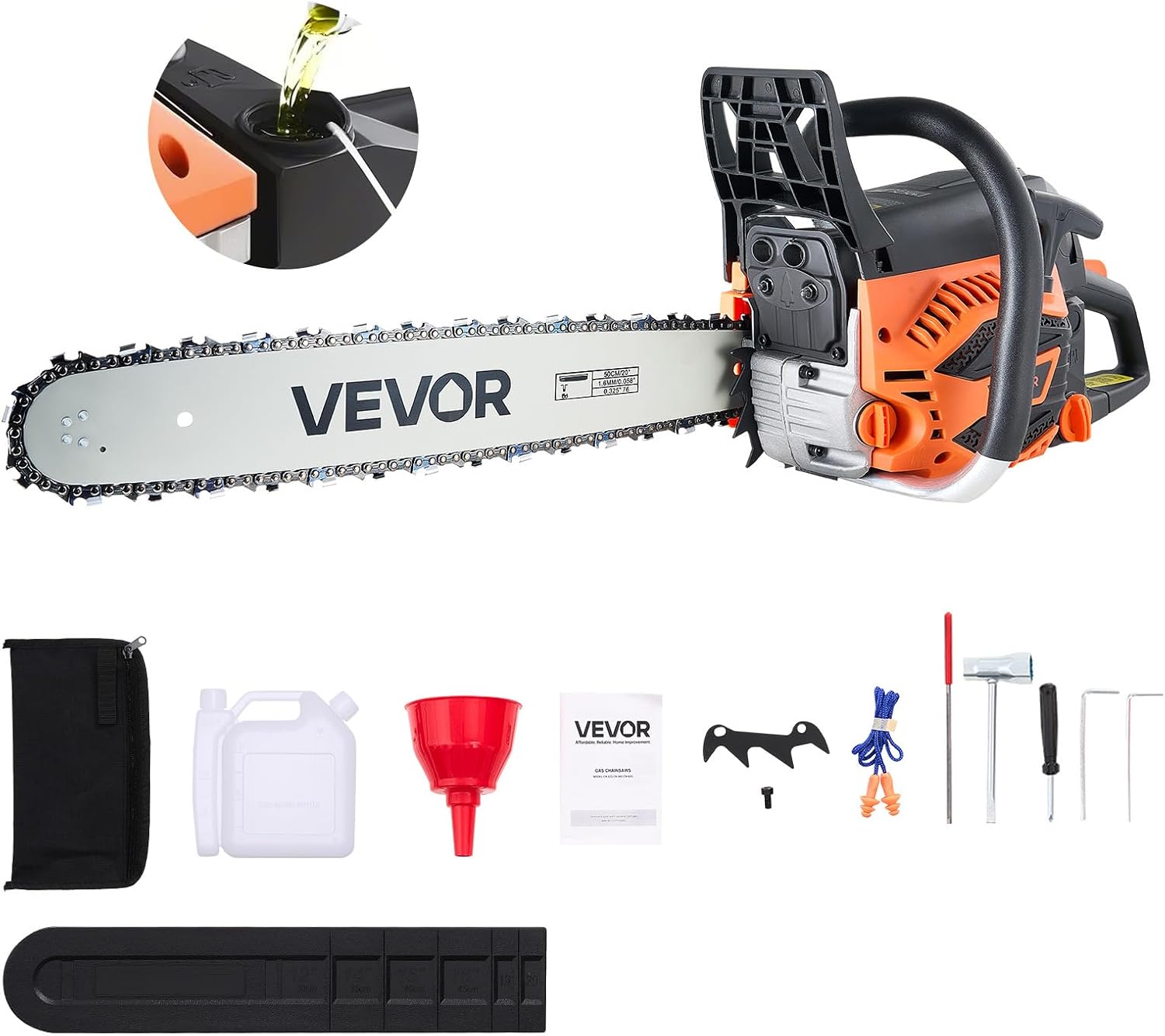
VEVOR Gas Powered Chainsaw 20 inch 62CC 3.8 HP 2 Stroke Engine Gas Chainsaw
62cc and a 20-inch bar is the class of saw that handles storm wood rather than limbs, and gas does not need an outlet or a spare battery to keep working
Two-stroke fuel, mixing, a pull start, and more saw than a homeowner trimming twice a year will ever need
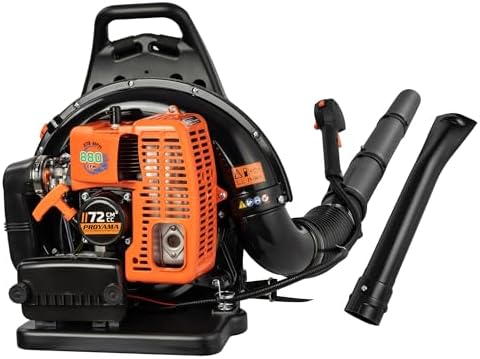
PROYAMA 72CC Gas Backpack Leaf Blower, Garden Yard Cleaning, Snow Removal
Backpack harness plus 72cc of gas power is the class built for wet leaves, big yards, and storm debris, and the listing even names snow removal as a job
Weight on your back, fuel to mix, noise, and far more blower than a single driveway needs
Prices and availability were captured from Amazon Creators API and may change.
How I judge a storm-season kit
Every saw and blower I look at goes through the same five questions, and I ask them in this order because the order is what saves you money.
- Will it start cold, first pull or third, after a night in the truck? A saw that needs twenty minutes of coaxing at 6 a.m. in cold rain is not a saw, it is a warm-up act.
- How long does the power actually last under load? For gas that is a tank of mixed fuel. For a battery it is a stopwatch number, full blast from a full charge, not the runtime printed on the box.
- Does the battery fit anything else I own? One tool on a dead-end platform is a paperweight with a handle.
- Will it cut wet wood or move wet leaves? Dry debris is easy. Wet wood chips and soaked oak leaves are the truth-tellers.
- Would I hand it to my crew at 6 a.m. after a storm? If the answer is no, it stays home.
Everything below is measured against those five questions. I am not going to pretend a spec sheet is a test. I am going to tell you what each piece is for, where each one quits, and what you have to verify before you spend the money.
The gas saw: displacement over features
The VEVOR gas chainsaw carries the two numbers that matter on a working saw: 62cc of displacement and a 20-inch bar. Displacement is the honest spec. Bar length is the one that sells saws. A 20-inch bar on a 62cc powerhead is a real working combination for storm wood, meaning trunks and thick limbs rather than the two-inch stuff. A 16-inch bar printed on a saw that bogs on a ten-inch log is a sticker, not a capability, and I have been handed enough of those to be suspicious of every big number on a box.
The 3.8 HP two-stroke engine is the trade-off in one line. Two-stroke means you mix fuel, and mixing is the part homeowners hate most. It also means no charger, no outlet, no waiting on a battery to top up, and no dead pack in the middle of a cut. You fill a can, you pull the cord, you work. That is why three gas saws live in my truck during storm season, and why I tell people gas is the backup you never have to apologize for.
What I would check before this saw earns a permanent spot: cold start behavior on the first tank, chain tension out of the box, whether the bar oiler keeps up on a long cut, and whether the chain arrives sharp or needs a session with a file before it touches wood. Factory chains shipped dull are one of my standing complaints, and it is a five-minute fix if you already own the file set.
Safety is not optional here. Chaps, eye protection, hearing protection, and a healthy respect for kickback. The bar comes up toward your face when the nose bites, and that is the saw's way of reminding you who is in charge. A 62cc saw is not a toy, and it is not the saw I would hand someone who has never run one.
The backpack blower: CFM, not mph
The PROYAMA 72CC gas backpack leaf blower is the other half of the storm kit, and the format is the point. A backpack harness moves the weight off your arms and onto your shoulders and hips, which is the difference between clearing a yard in one pass and quitting at hour three with dead arms. That is not marketing, that is anatomy.
The number that matters on a blower is CFM, cubic feet per minute. Airflow moves leaves. Miles per hour is a sticker number that tells you how fast the air leaves the tube, not how much debris it takes with it. A blower rated in mph is selling you a number, not a result.
72cc of gas power is the class of machine built for the jobs a handheld cannot start: soaked oak leaves after three days of rain, wet debris piled against a foundation, gravel and grit off a driveway after a washout. The listing also names snow removal, and moving light snow off a walkway with a big backpack unit is a genuine use, not a fantasy. Cold, dry snow moves surprisingly well with real airflow behind it.
The costs are honest and they are heavy. Weight on your back all afternoon. Fuel to mix, same as the saw. Noise that will have your neighbors checking the calendar. Storage space in the garage. And a machine this size is simply too much for one driveway and a pool deck. If that is your whole property, you are paying for capability you will never use.
What I would check: whether the harness adjusts to a real torso rather than a catalog model, how it behaves at part throttle for pollen strands and light debris, and how much it shakes your hands after twenty minutes at full blast.
The cordless handheld: the ninety percent tool
The electric cordless leaf blower with battery and charger is the piece most people should buy first, and the reason is in the name. Battery and charger included means the first job costs you nothing beyond the tool. No fuel can, no mix ratio, no pull cord, no carburetor to rebuild every other season. Pick it up, press the trigger, clear the walkway.
This is the ninety percent tool. Driveway, pool deck, front walk, garage floor, pollen strands carpeting everything in April, dry leaves in October. For that work, a small cordless handheld is faster than a gas blower because there is no start-up ritual at all.
The catch is runtime on high, and high is the only setting that moves anything with weight to it. Battery tools run out of juice mid-job, that is the honest limitation of the format, and the number on the box is usually optimistic. The only runtime figure I trust is the one I time on my phone, full blast, from a full charge.
Two more things I would verify before buying any cordless blower. First, the charger: a wall wart brick that charges one battery at a time means you wait all day for the second pack, and a second pack is what turns a fifteen-minute tool into a forty-minute tool. Second, the platform. If the battery does not fit anything else you own, you are not buying a blower, you are buying a subscription. Replacement batteries cost roughly half the price of a whole new blower, so a proprietary pack is the real price of the tool.
What I would check: how it handles wet leaves versus dry, whether there is a low-speed mode for delicate work, and how long the pack holds a charge sitting in the garage between uses.
The file set: the chain is the saw
The LIBRATON chainsaw file set is the least exciting product here and the one I would buy first. Three file sizes, 5/32, 3/16, and 7/32, cover the chain pitches that most homeowner and crew saws run. The 5/32 handles low-profile chains, the 3/16 handles .325 pitch, and the 7/32 handles full 3/8 pitch. If you own one gas saw, one of those three sizes is your size, and now you own all three.
A sharp chain on a cheap saw beats a dull chain on an expensive saw every single time. That is not a slogan, it is the physics of the cut. A dull chain makes the engine work harder, burns more fuel, heats the bar, and turns a fifteen-minute bucking job into a forty-minute fight where you are leaning on the saw and calling it power. The engine gets blamed for a chain problem constantly, and the fix costs less than a tank of fuel.
The method matters as much as the file. Ten strokes on each tooth, same count every tooth, working from the same side so you keep the angles even. The old-timer who taught me filed by feel with no gauge and his chains cut true for years. You can use a guide, and most people should, but the count is what keeps a chain cutting straight instead of pulling to one side.
This set is maintenance, not a tool. If you buy it and never learn the stroke count, it sits in a drawer. If you buy it and file before every storm call, it will outlast the saw it is sharpening. Anyone running a gas saw should own a file set before they own a second saw.
The gas versus battery trade-off, stated plainly
Gas gives you fuel, power density, and no dependence on an outlet or a charged pack. It costs you mixing, noise, exhaust, vibration, weight, and maintenance. Battery gives you instant starts, clean hands, quiet operation, and zero fuel storage. It costs you runtime, charging time, and a platform decision that locks you into one brand's packs.
Here is how I read it. Battery is the future, and the future still runs out of juice mid-job. For trimming, touch-ups, walkways, and small yards, battery wins on convenience and it is not close. For storm wood, wet debris, and anything measured in hours instead of minutes, gas is still the boss.
The money side is worth saying out loud. A gas saw needs fuel, mix oil, bar oil, files, and the occasional carburetor attention. A battery tool needs packs, and packs are where the real cost lives. Two spare batteries can cost as much as the blower did. That is the math nobody puts on the box.
The storage side is the other hidden trade-off. Mixed fuel goes stale, and a saw that sat all winter with old gas in the tank is a saw that will not start when the storm hits. Battery packs self-discharge slowly and do not care about the seasons. Both formats punish neglect, just differently.
What I would buy, in order
Start with the file set, because it makes whatever saw you already own cut better for very little money. Then the cordless handheld blower, because it covers the most days with the least fuss and the battery and charger come in the box. Then the gas saw if you have real wood to cut and storm risk where you live. Then the gas backpack blower if your property is measured in acres, or if wet leaves and light snow are a recurring problem rather than an annual event.
A homeowner cutting fallen limbs twice a year does not need a 62cc saw or a 72cc backpack. A solid cordless kit and a sharp chain do the job, and the money stays in your pocket. That is mission accomplished, no drama.
The fine print nobody reads
Two things I check before I check the price on anything. First, the warranty card in the box. If the card is missing and there is no email address on the website, that tells you what support will look like in year two. Second, the battery platform. If the pack fits nothing else in your garage, understand that you are buying a disposable tool with a reusable handle.
Storm season does not care about your receipts. It cares whether the saw starts and the chain is sharp. Buy the four pieces that answer those two questions, and the rest is just marketing.