I spent 12 years running a tree crew outside Charlotte, and for most of that time I owned exactly one gas blower and hated it. It flooded on cold mornings, it wanted a carburetor kit every other spring, and the pull cord taught me some new vocabulary. That is the gear that taught me to read fine print. So when a neighbor asks me about cordless vs gas leaf blowers, I do not answer with a sticker. I answer with the job: a driveway buried in wet oak leaves after a storm, a pool deck in October, a walkway that has to be clear before the truck rolls at 6 a.m.
This comparison covers three blowers and one sharpener, sitting at three very different price points and built for three very different owners. I have not put all of them through a full storm season yet, and I will not pretend I have. What follows is listing detail, platform logic, and the maintenance reality I have lived with across two decades of saw work.
The best blower for most people here is the DeWalt 60V axial handheld, because it delivers gas-class airflow without a pull cord. The best value for a normal suburban yard is the 20V two-battery kit. The gas backpack is the tool you buy only if you clear big properties for a living, and the sharpener is the cheapest performance upgrade in this entire article.
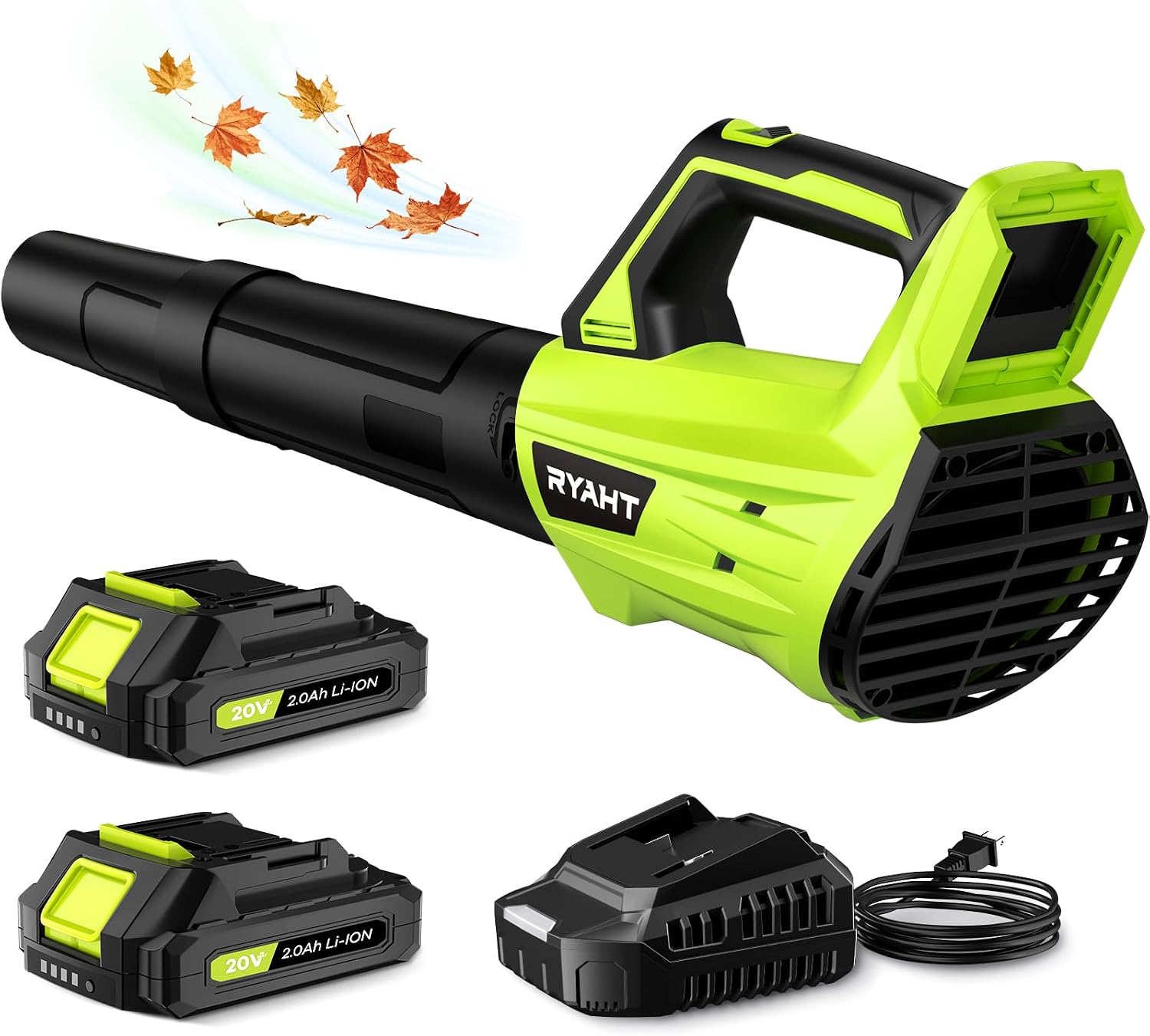
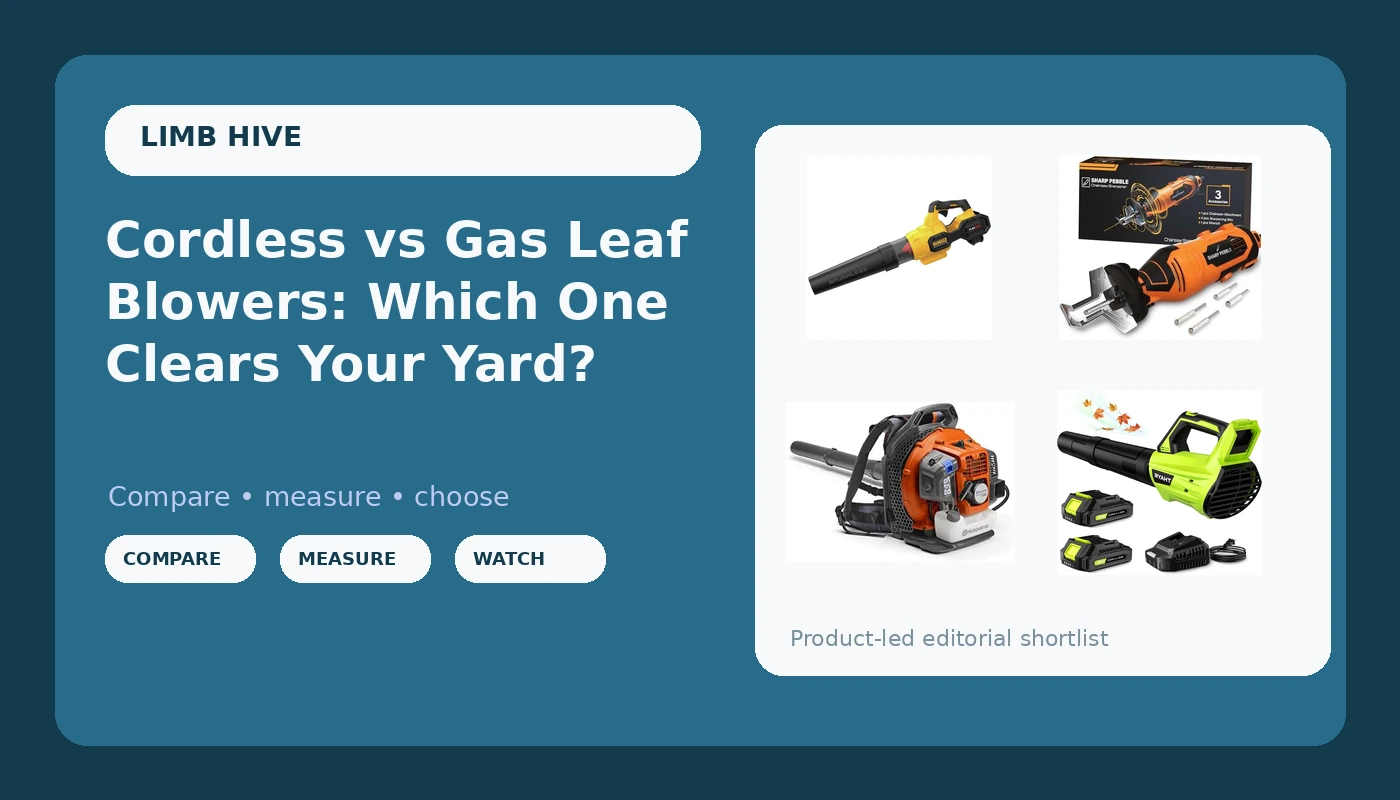
Leaf Blower Cordless, 20V with Battery and Charger, 2 Speed Modes, 2 Batteries
Two batteries keep you working while one charges, light enough to hand to anybody, and the low speed mode is right for pollen and patio dust
Small batteries and a small housing make this a driveway tool, not an acreage tool
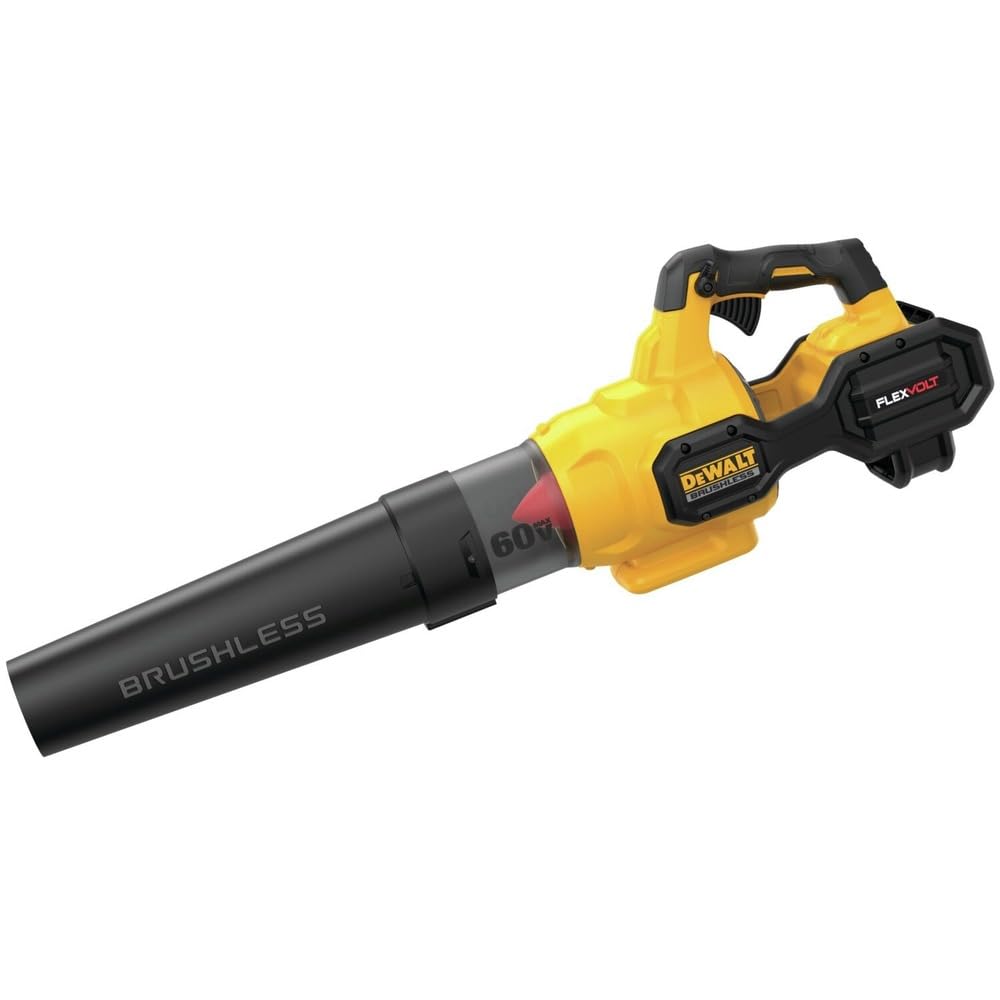
Dewalt Blower AXIAL HNDHLD 60V 600CFM DCBL772B
600 CFM class airflow in a handheld, no pull cord, no mix, and it fits a platform a lot of people already own
Listed as the tool itself, so battery and charger are separate, and full-blast runtime is the real limit
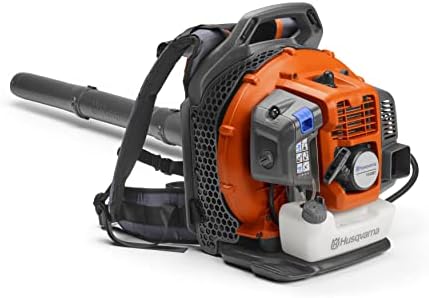
Husqvarna 150BT Gas Backpack Leaf Blower, 51-cc 2.16-HP 2-Cycle
Backpack harness saves your arms, all-day power, and it finishes wet storm debris a handheld cannot start on
Two-cycle mix, noise, a cold-start ritual, and a maintenance calendar you never have with battery
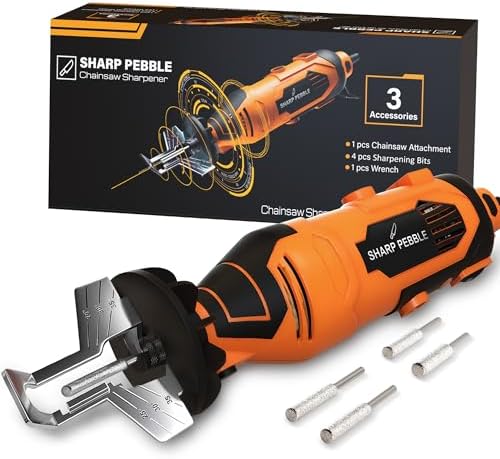
Sharp Pebble Electric Chainsaw Sharpener Kit, Chain Saw Sharpening Tool
Cheapest performance upgrade here, and it keeps every chain on your bench cutting true
An electric wheel removes metal fast if you rush, and it is a bench tool, not a field tool
Prices and availability were captured from Amazon Creators API and may change.
How I judge a blower before anything else
Four things, in this order.
CFM, not mph. Cubic feet per minute is airflow, and airflow is what moves debris. Miles per hour is a sticker number that tells you how fast air leaves the nozzle, not how much of it shows up. A blower advertised in mph is selling you a feeling, not a result.
The wet test. Dry leaves are easy. Any tool moves dry leaves. Wet oak leaves, wet pine straw, and the matted mess at the edge of a driveway after a storm are the truth-tellers. If a blower can move that, it can move anything you own.
Runtime, timed. I time batteries on my phone, full blast, from a full charge. The number on the box is marketing. The number on the stopwatch is the one that decides whether the job gets finished before dark.
The battery platform. If the battery does not fit anything else I own, I am not buying it. Replacement packs cost real money, and a dead-end platform turns a cheap tool into an expensive paperweight. That single question kills more purchases for me than airflow ever does.
Husqvarna 150BT: the gas backpack that finishes the job
A 51-cc, 2.16-horsepower two-cycle backpack blower is not a subtle tool. It is the answer to one specific problem: a large property, a long driveway, mature oaks overhead, and debris wet enough to laugh at a handheld.
The harness is the part people underestimate. A backpack puts the weight on your shoulders and hips instead of your forearms, and by hour three that difference is the whole ballgame. On a big cleanup a handheld leaves your arms dead and your grip shot. A backpack keeps you moving.
What it costs you is the ritual. Two-cycle mix, a pull cord, and a cold start in bad weather. I have started gas equipment at 6 a.m. in freezing rain more times than I can count, and it is never the fun part of the day. You also inherit the maintenance calendar: fuel stabilizer, spark plugs, air filters, and a carburetor that will eventually want attention.
If you clear more than half an acre, or your work is storm cleanup where wet debris is the normal condition, gas still wins. I keep gas in the truck for exactly that reason and I do not apologize for it.
DeWalt 60V axial handheld: battery power that acts like gas
The DeWalt 60V axial handheld is rated at 600 CFM, which puts it in the same airflow conversation as plenty of gas handhelds. That is the number that matters, and it is the reason this tool is my pick for most people.
No pull cord. No mix. No fuel smell in the cab of the truck. You pick it up, you squeeze the trigger, and it works, which sounds like a small thing until you have spent twenty minutes coaxing a cold engine while the client watches from the porch.
Two honest catches. First, the listing here is the tool itself, so if you are not already on the DeWalt battery platform, budget for a battery and a charger on top. Second, full-blast runtime on any 60-volt handheld is the real limit. Big airflow eats big batteries. That is physics, not a brand problem, and it is why I tell people to buy the largest pack they can justify rather than the cheapest kit on the page.
For a homeowner with a normal yard, this is the blower that replaces a gas handheld. For a pro, it is the tool you grab for the last twenty minutes of a job when you do not want to wake the whole street.
The 20V two-battery kit: the driveway answer
Here is the blower I recommend to the neighbor who wants the driveway clear and does not want to think about it again. Twenty volts, two speed modes, two batteries, and a charger in the box.
Two batteries is the feature that matters most at this price. You run one down, you swap, and you keep moving while the first one charges. One-battery kits in this class leave you standing in the driveway watching a charger, which is how a twenty-minute job becomes a ninety-minute job.
The low speed mode is genuinely useful, not filler. Pollen strands on concrete, dust on a patio, grass clippings on a walkway: that is low-speed work, and high speed just relocates the mess into the street.
What it will not do is clear an acre of wet oak leaves. Small batteries, a small housing, and a light impeller make this a driveway, pool deck, and walkway tool. Ask it to do the work of the backpack and you will be disappointed, and that is not the blower's fault.
One thing to check before you buy any budget cordless blower: what kind of charger is in the box. Single-battery brick chargers are common in this price range, and a charger that only handles one pack at a time is the difference between a real two-battery kit and a one-battery kit with a spare sitting on a shelf.
Sharp Pebble electric sharpener: the tool that makes your saw worth owning
The chain is the saw. I have said that to every ground guy I have trained, and I will keep saying it. A sharp chain on a modest saw beats a dull chain on a professional saw every single time, and it is not close.
An electric sharpener is the shortcut for anyone who owns more than one chain. The wheel does the work, you hold the chain steady and keep the teeth even, and you get a consistent edge without the hand-filing learning curve. For a homeowner with two chains and a saw that only comes out a few times a year, this is the difference between a saw that cuts and a saw that smokes its way through a six-inch limb.
The honest warning: an electric wheel removes metal fast. Take too much off a tooth and you shorten that chain's life, and you can wreck the cutter profile if you rush the job. Two light passes beat one heavy pass, every time. This is also a bench tool, so it does not travel into the woods with you. Keep a file and a guide in the truck for touch-ups in the field.
At this price it is the cheapest way to make every saw you already own cut better, which is a strange thing to say about a sharpener and still true.
The trade-offs nobody puts on the box
Battery is the future, but the future still runs out of juice mid-job. That is why my truck carries gas saws on storm calls and battery tools for the easy stuff. Anyone who tells you a battery blower finishes a storm cleanup has not done one.
Gas is not nostalgia. It is a backup you never have to apologize for, and on a large property it is still the primary tool. But it comes with a maintenance calendar, a fuel ritual, and a noise level that will end a Saturday morning relationship with your neighbors.
The budget kit is not a lesser tool, it is a narrower tool. Buy it for the driveway and the patio and it will serve you for years. Buy it for the back forty and you will be shopping again next fall.
And the platform question decides more purchases than any spec sheet. A battery that fits your trimmer, your drill, and your blower is worth more than a few extra CFM from a brand you will never buy twice.
Which one should you buy?
If you have a normal suburban lot and you want the driveway, walkway, and patio handled, buy the 20V two-battery kit and put the saved money toward a spare battery or a spare chain.
If you want one blower that does almost everything a gas handheld does, without the pull cord, buy the DeWalt 60V axial handheld and pair it with the largest battery you can justify.
If you clear big properties, or storm debris is part of your job, buy the Husqvarna 150BT backpack. Wet leaves and long driveways are what it was built for.
And whatever you blow, buy the sharpener. A dull chain is the most expensive thing in your garage, because it turns a five-minute cut into a twenty-minute fight and it convinces you that your saw is the problem when your chain is.
One last thing, and it comes from getting burned twice: time your own batteries, and read the warranty card before you read the price. The box will tell you whatever it wants. The stopwatch and the paperwork do not lie.