Related: Battery Chainsaw Chain Maintenance: Filing, Tension, and When to Replace
I have cut trees off two roofs this year. One was a red maple folded over a driveway by an ice storm, the other a pine that came down on a carport after a squall line. That is the work I buy tools for, and it is why a cordless chainsaw and leaf blower setup gets judged in my driveway, not on a spec sheet.
Every time a neighbor asks me what to buy, the questions are the same three. Will it start cold at 6 a.m. in the rain? How long does the battery really last with the trigger pinned? And does that battery fit anything else I own? Those three questions decide this list. Four tools, four different answers, and only one of them is what I would call storm gear.
The storm-season pick: Milwaukee 2727-21HDP M18 Fuel 16 in. Chainsaw with Free Blower Kit
This is the only tool in this group I would call storm gear. A 16-inch bar is the dividing line. Below that you are buying a pruning tool that happens to look like a saw, and above it you are carrying weight you do not need for limbs and small trunks. Sixteen inches on a brushless battery saw is the size where the tool is built to buck up a downed trunk and then get carried to the next one.
The kit also bundles a blower, which matters more than it sounds. One battery, two tools, one charger on the tailgate. If you are already on the M18 platform, that is the entire argument: your batteries and your charger feed a saw and a blower, and nothing in the truck is a dead-end purchase.
What I would tell you before you buy: this is the most expensive way into this list, and it is heavy enough that you will feel it after an hour of limbing. If your only job is trimming the shrubs along the driveway twice a year, you are paying for capability you will never use. If your job is a tree on the ground at dawn after a storm, you are paying for the version of this tool that finishes the work.
The light-duty blower: Makita XBU03Z 18V LXT Lithium-Ion Brushless Cordless Blower, Tool Only
Read the last two words of that name again: tool only. No battery, no charger, nothing in the box but the blower. That is not a downside if you already own LXT batteries, and it is a trap if you do not, because the real purchase is the batteries and a charger, and then you own a platform you may never use again.
Brushless is worth caring about here. Fewer parts to wear out, and the tool runs cooler and longer than a brushed motor of the same size. For a driveway, a walkway, a pool deck, and the pollen strands that carpet everything every spring, this is exactly the right size of tool. It is the blower you grab when you have five minutes and no patience.
Here is the honest limit. This is a handheld, light-duty blower. Dry leaves on pavement, gone. Wet leaves packed into a flowerbed, you will be there a while. And the number to compare is CFM, not mph. A blower advertised in miles per hour is selling you a sticker. Airflow moves debris, and airflow is cubic feet per minute.
The homeowner kit: WORX 20V 12" Cordless String Trimmer & 360CFM Leaf Blower Kit, WG928
This is the one I recommend to most homeowners, and I do not say that with any condescension. Two tools, one 20V battery platform, one charger, one set of batteries to keep alive. That is how a yard kit should be built.
The blower is rated at 360 CFM, and it is listed in CFM, which tells me somebody at the company understands what the number means. That is enough airflow to move dry leaves off a driveway and grass clippings off a walk. The 12-inch trimmer is a trimming tool for edges and fence lines, not a brush cutter. Nobody should expect a 12-inch string trimmer to take down saplings.
My rule on this class of kit: buy it for a quarter-acre lot and it will make you happy for years. Ask it to clear an acre of wet oak leaves in October and you will be angry at a tool that never claimed to do that. Wet debris is the truth-teller. Any blower moves dry leaves. Match the tool to the yard, not to the video.
The odd one out: FADAKWALT Cordless Drill Set, 20V Electric Power Drill With Battery And Charger
I know this is not a saw and not a blower. It is on the list because it is the tool that actually lives in my truck bed, and because the question of what belongs in a truck kit comes up every storm season. A drill with a 3/8-inch keyless chuck, 21+1 clutch settings, and an LED light is the tool you grab to rehang a trailer gate, drive screws into a shed door, or pin down a tarp patch while the rain is still coming.
Thirty newton meters of torque is homeowner-grade, not contractor-grade. It will drive deck screws and assemble things. It will not run a hole saw through a rim joist all afternoon. The 21+1 settings matter more than the torque number for most people, because clutch settings are what keep you from stripping screw heads in soft wood, and the LED light is not a gimmick when you are working under a truck at dusk.
The catch is the same catch I apply to every tool I pick up: that battery fits nothing else. It is a standalone purchase, not a platform decision. Buy it as a drill that happens to be cheap and useful, not as the first brick of a battery ecosystem. And do not let a drill talk you out of a saw. They are not the same job.
What I check before anything makes the list
Every tool gets the same five questions, and I have walked away from plenty of them on question two.
Cold start. First pull, or first trigger, after a night in a cold truck. A tool that needs coaxing when your hands are numb and there is a tree on a roof is dead weight no matter what the box says.
Timed runtime. Full blast, from a full charge, with a stopwatch. Not the number printed on the packaging, and not a number measured at half throttle in a lab. Runtime claims are where the marketing gets the loosest, so they get timed.
Wet debris and wet wood. Dry leaves are easy. Dry pine is easy. Wet oak leaves and wet wood chips are where the real airflow and the real cutting show up, and they are the reason I do not review a blower from a photo.
Chain condition out of the box. A chain that ships dull is a chain you have to file before the first cut, and that is a cost the listing never mentions. The chain is the saw. A sharp chain on a cheap saw beats a dull chain on an expensive one every time.
The warranty card. If the paperwork is not in the box and there is no way to reach a human, that is part of the review. I read the card before I read the price.
The numbers that matter, and the ones that do not
Two specifications decide more purchases than any other, and both are routinely abused.
CFM versus mph. Cubic feet per minute is airflow. Miles per hour is how fast the air leaves the nozzle. You want airflow, because airflow is what lifts and carries debris. A narrow nozzle with a big mph number is a marketing department having a good week.
Bar length versus real cutting. A 16-inch bar is a class statement about the work the saw is built for. It does not guarantee the saw will pull that bar through wet hardwood without bogging, and it does not mean a shorter bar is a worse saw. It means you should buy the class of tool that matches your biggest job, then keep the chain sharp so the tool can do it.
Then there is the platform math, which is where most people lose money. A tool is cheap until you price the batteries. If a battery fits nothing else you own, you are not buying a tool, you are buying a subscription. That is why the Makita blower is a smart buy for an LXT owner and a bad buy for everyone else, and why the Milwaukee kit is worth the money if your garage already runs on M18.
And one small thing that makes me unreasonable: wall wart chargers. The brick that charges one battery at a time. You finish the job, you drop one battery on the charger, and you wait all day for the second one. Two batteries and one single-battery charger is a fake two-battery kit.
Reference table: which tool for which job
| Tool | Power source | Best job | What is in the box | Platform reality | Price |
|---|---|---|---|---|---|
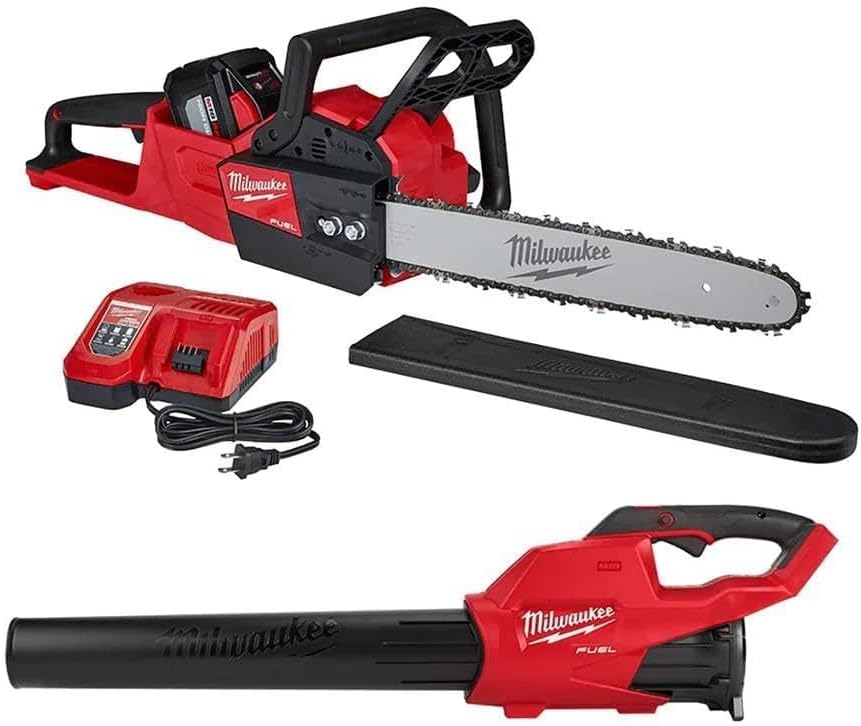 Visit on Amazon → Milwaukee 2727-21HDP M18 Fuel 16 in. Chainsaw with Free Blower Kit |
M18 battery | Storm cleanup, limbing, bucking | Saw, battery, charger, bundled blower kit | Shares the M18 platform with the rest of the Milwaukee line | $689.00 |
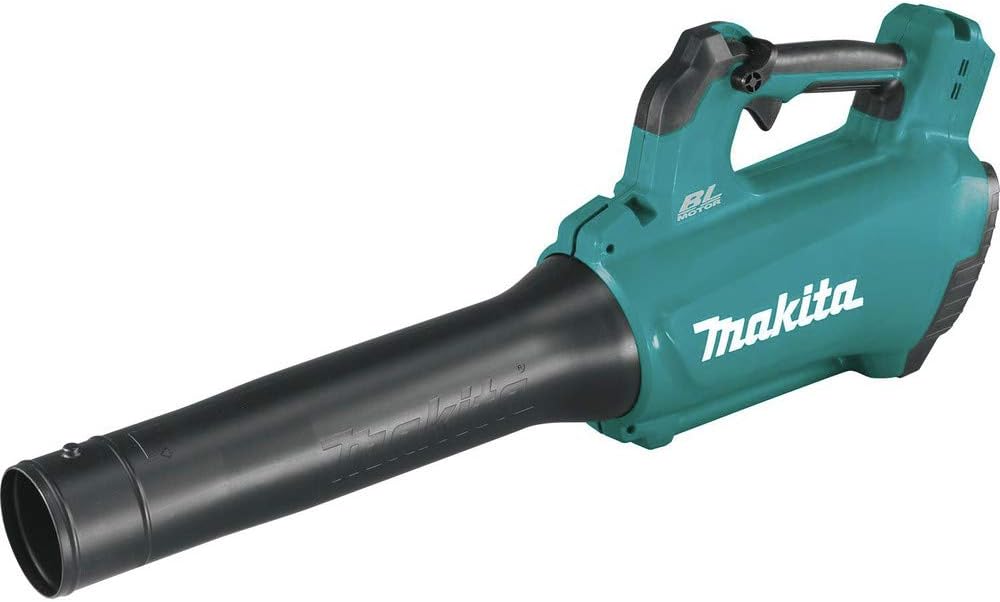 Visit on Amazon → Makita XBU03Z 18V LXT Lithium-Ion Brushless Cordless Blower, Tool Only |
18V LXT battery, not included | Driveways, walkways, pollen strands, dry leaves | Blower only, no battery, no charger | Only worth it if you already own LXT batteries | Visit on Amazon → |
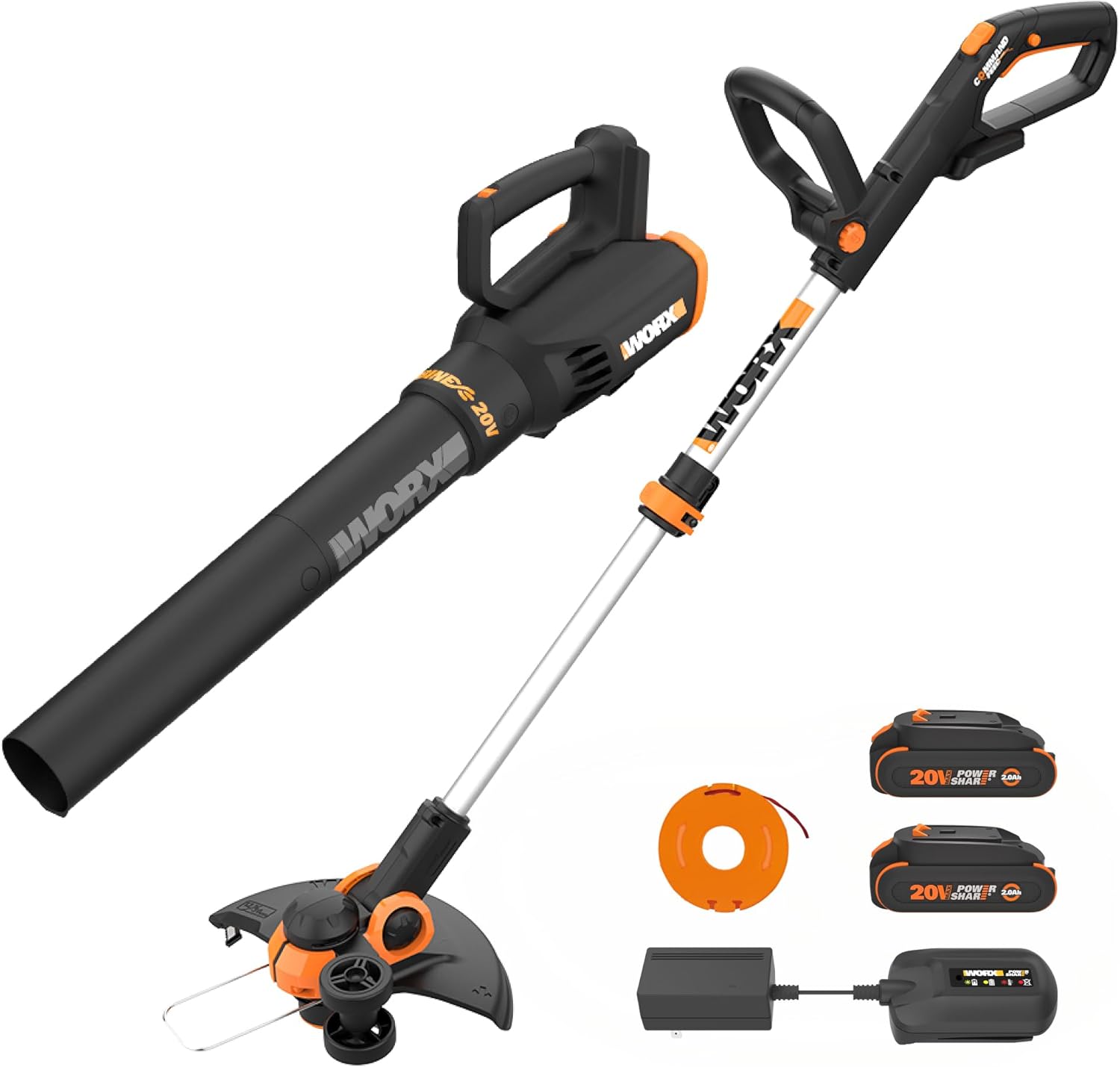 Visit on Amazon → WORX 20V 12" Cordless String Trimmer & 360CFM Leaf Blower Kit, WG928 |
20V WORX battery | Edging, trimming, light leaf cleanup on a suburban lot | Trimmer, blower, battery, charger | Two tools on one platform, rated in CFM | $125.99 |
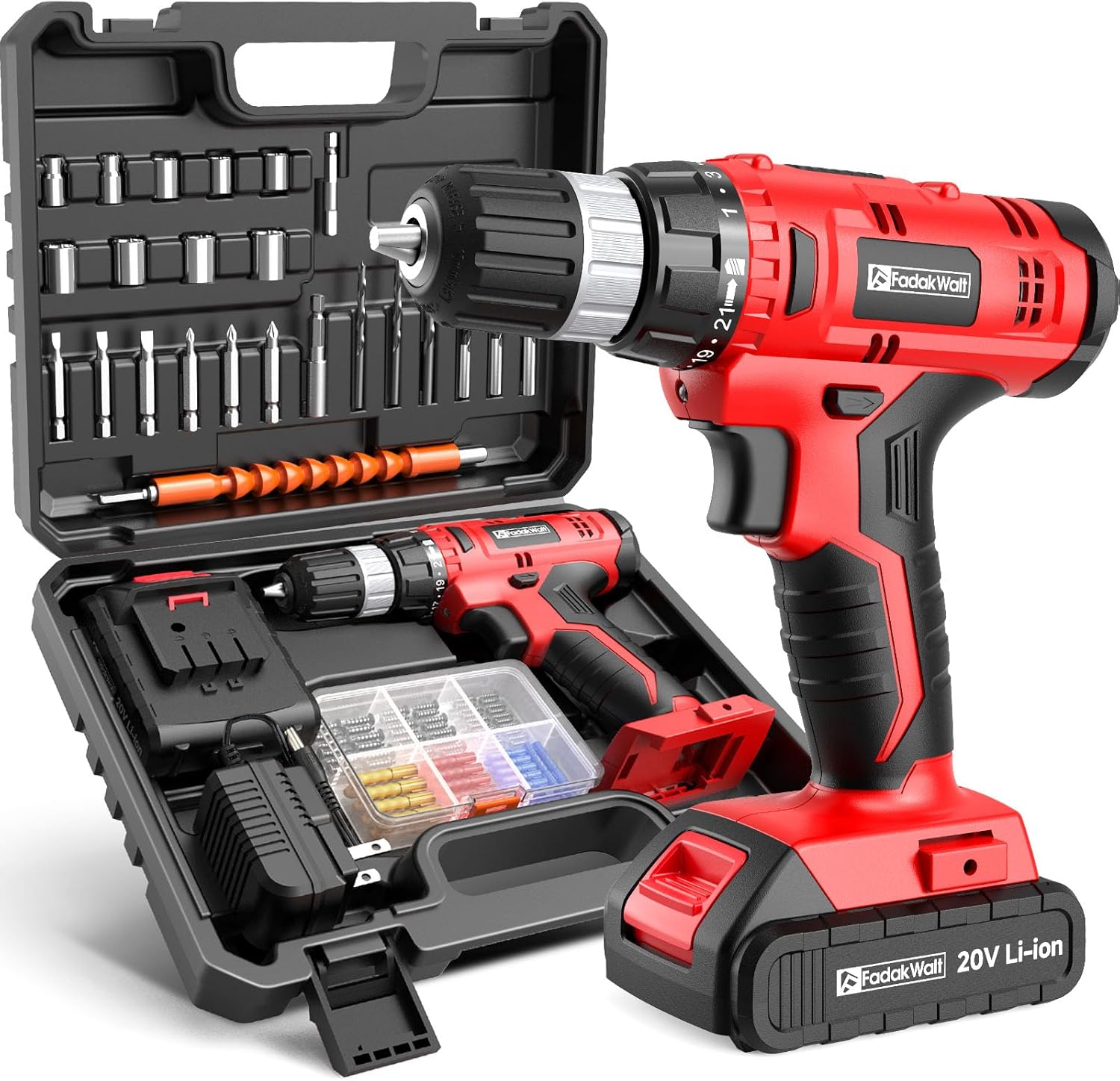 Visit on Amazon → FADAKWALT Cordless Drill Set, 20V Electric Power Drill With Battery And Charger |
20V battery, included | Truck repairs, gates, tarps, assembly | Drill, battery, charger, driver bits | Standalone battery, fits nothing else | $29.99 |
Should you buy the Milwaukee 2727-21HDP M18 Fuel chainsaw kit?
Yes, if you are already on M18 or you are ready to commit to it. A 16-inch bar on a brushless battery saw is real work capability, the bundled blower gives you two tools on one battery, and one platform means one charger and one set of batteries across the truck. It is the only tool here I would hand to a crew member at 6 a.m. after a storm.
The honest downside is money and weight. You are paying for storm capability, and you will feel the saw in your arms after an hour. If your biggest job is a few fallen limbs a year, buy something smaller and put the difference into a second battery.
Should you buy the Makita XBU03Z blower?
Yes if LXT batteries are already in your garage. It is brushless, it is light, and it handles the everyday cleanup that most blowers are actually bought for. Tool only is a feature for you, not a problem.
No if you are starting from zero. Once you add a battery and a charger, you have bought into a platform for one handheld blower, and that is the opposite of how I spend money on tools. This is a great second or third tool on a platform you already own.
Should you buy the WORX WG928 trimmer and blower kit?
Yes for a typical suburban yard. Two tools, one battery platform, a blower rated in the number that matters, and a trimmer sized for edges and fence lines. It is the kit I point most homeowners toward, and it does the job it claims to do.
No if you have a large property with mature trees and wet fall leaves. You will spend the season fighting a light-duty tool instead of clearing the yard. Match the tool to the lot.
Should you buy the FADAKWALT cordless drill set?
Buy it as a truck drill. Twenty volts, 30N of torque, 21+1 clutch settings, a 3/8-inch keyless chuck and an LED light cover the jobs that come up when you are patching something in bad weather. It is a cheap, useful tool for the work nobody plans for.
Do not buy it as the start of a battery platform, and do not buy it expecting it to replace a saw or a blower. Its battery fits nothing else in this article. If you want one platform under the whole truck, start with the saw and build out from there.