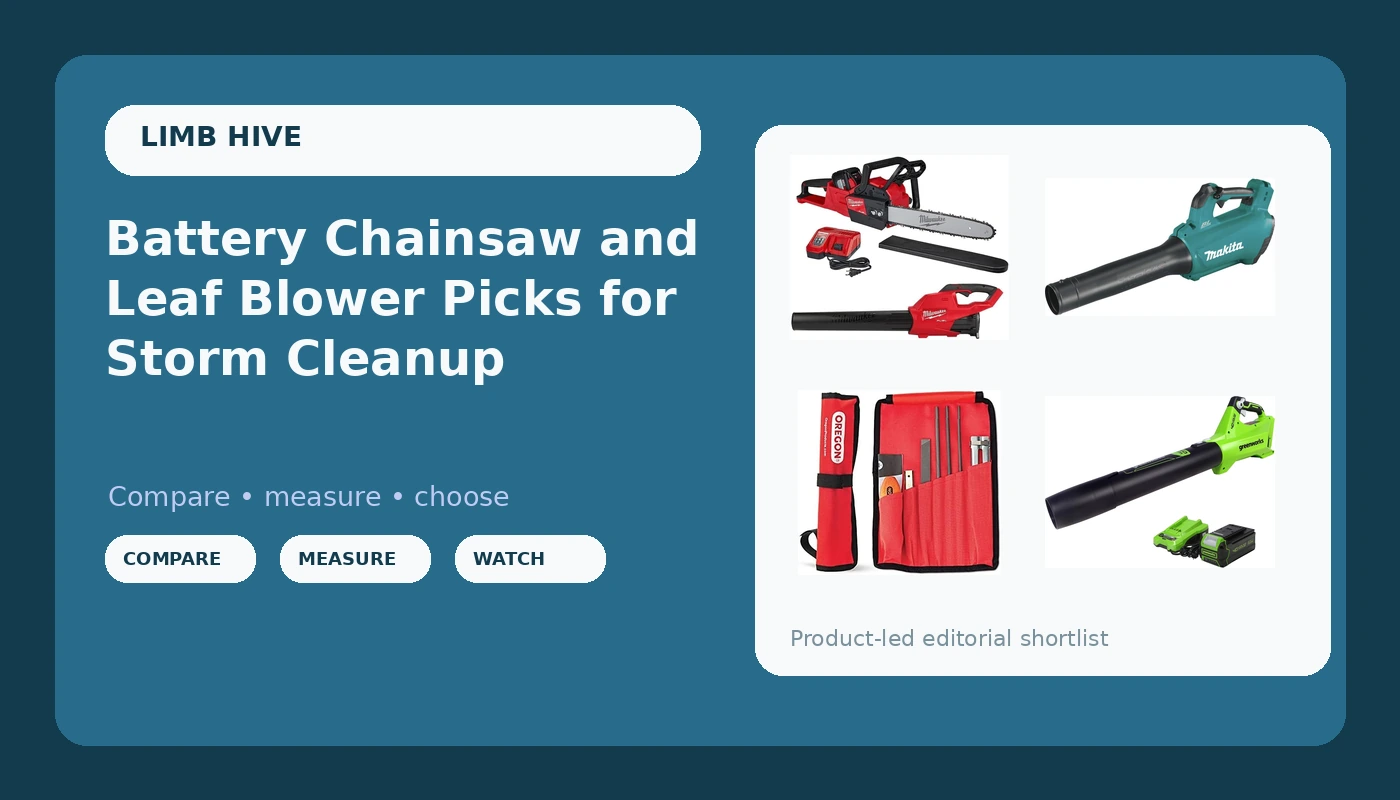
I have pulled a saw out of the truck at 6 a.m. in cold rain more times than I care to count, and I have watched a neighbor's battery blower quit halfway down a wet driveway. That is the lens I bring to this battery chainsaw and leaf blower comparison. Not the spec sheet, not the copy on the front of the box, but whether the tool finishes the job when the debris is wet and the light is going.
Storm season outside Charlotte runs from the first ice storm in January through whatever the coast sends us in September. In that window I run gas saws on the big wood and battery tools on everything I can get away with, and I keep a logbook of what started cold, what ran out of juice mid-cut, and what came home broken. The four tools below are what I would put in front of a homeowner or a small crew today: one saw, two blowers, and the sharpening kit that decides whether the saw is worth carrying. I will tell you which ones earn their place and which ones are a trap.
The short answer: choose the battery platform before you choose the tool, because a saw and a blower that share batteries are worth more than either one alone. If the storm work is real, the 16-inch M18 Fuel saw is the one I would hand to the crew. If it is a driveway and a pool deck, the Greenworks blower is the complete package, and the Makita blower only makes sense if you already own LXT batteries.
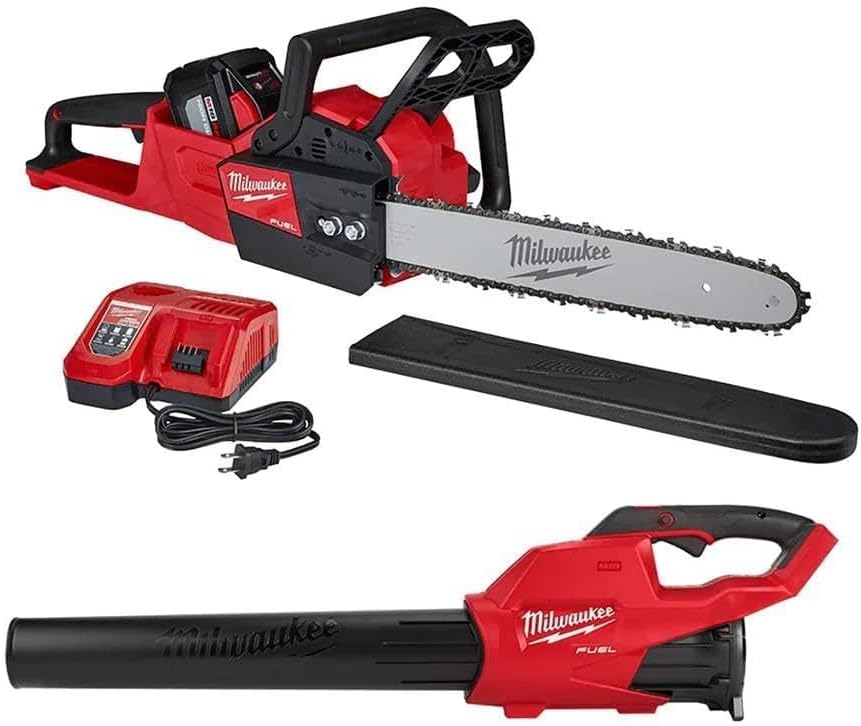
Milwaukee 2727-21HDP M18 Fuel 16 in. Chainsaw with Free Blower Kit
A real 16-inch bar on the M18 Fuel platform, and a blower kit in the same box, so one purchase covers the cut and the cleanup
A 16-inch bar is more saw than a twice-a-year trimmer needs, and the battery platform, not the saw, is the real cost
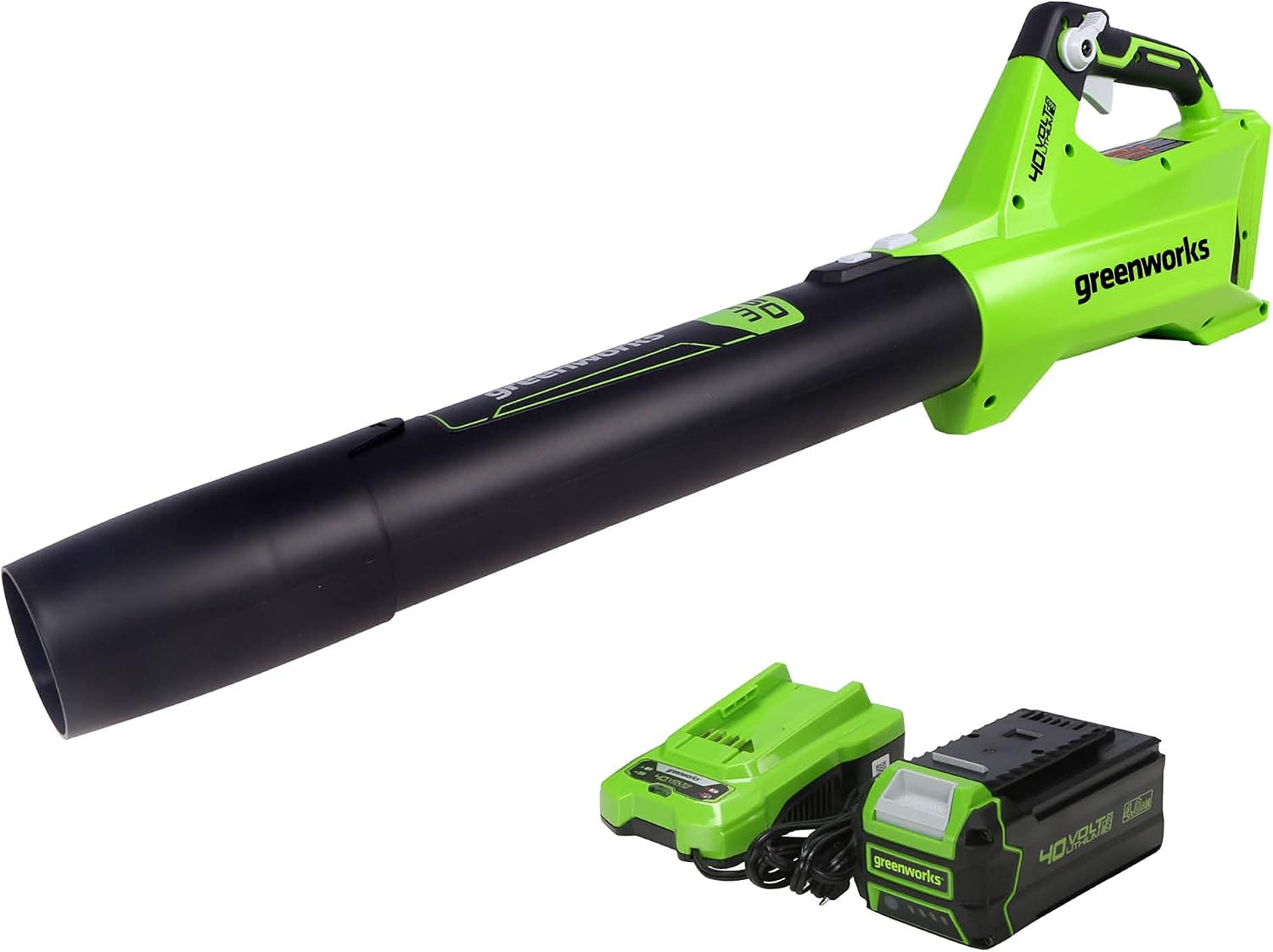
Greenworks 40V (120 MPH / 450 CFM / 75+ Compatible Tools) Cordless Axial Leaf Blower, 4.0Ah Battery and Charger Included
Ships as a complete kit with battery and charger, 450 CFM is a real cordless number, and more than 75 tools run on the same 40V pack
Axial handheld airflow clears a driveway, not an acre of wet oak leaves, and the mph rating is a sticker number
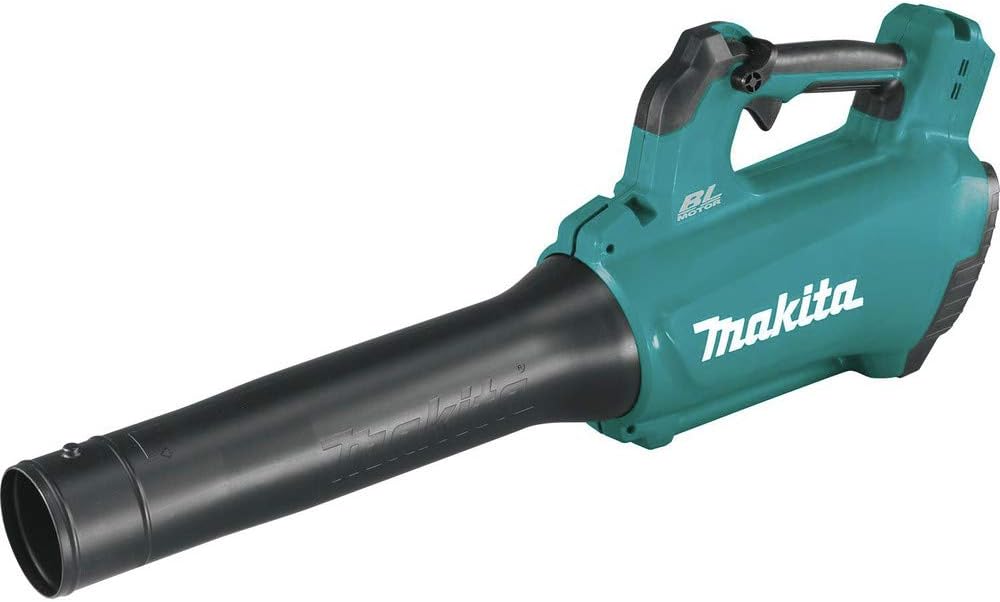
Makita XBU03Z 18V LXT® Lithium-Ion Brushless Cordless Blower, Tool Only
Brushless motor, light in the hand, and the LXT platform is one of the deepest battery ecosystems in the business
Tool only means no battery and no charger in the box, so the value depends entirely on what you already own
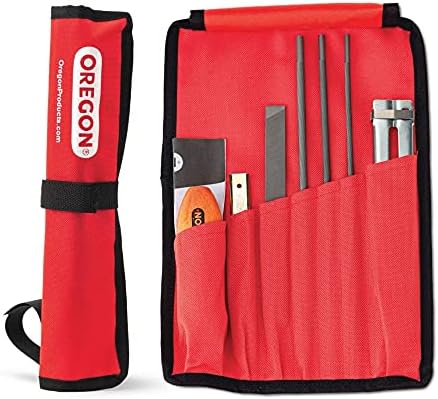
Oregon Universal Chainsaw Field 7 PIece Sharpening Kit
A field kit keeps a chain cutting on the tailgate instead of sending you home, and a sharp chain beats a bigger saw every time
It is maintenance, not a tool, and a file used wrong will make a chain cut worse, not better
Prices and availability were captured from Amazon Creators API and may change.
How I judge a saw and a blower
A saw has one job: cut wood safely, every time, including on the morning after a storm when nothing wants to start. A blower has one job too: move wet debris, not just the dry leaves that any tool can push around. Those two sentences filter out most of the gear I get asked about, and they are the reason this list is short.
My checklist is short as well. Will it start cold, first pull or first trigger, after a night in the truck? Does the battery fit anything else I own? How long does the tool actually run on a full charge at full power, timed with a phone and not read off the box? Can it cut wet wood or move wet leaves? And is the warranty card actually in the box, with an email address on the website to back it up? I do not care what the sticker says about miles per hour. CFM is the number that moves debris, and mph is the number that sells blowers.
The battery platform question comes first
This is the part of the decision most people get backwards. They pick a tool, then discover the battery fits that tool and one oddball, and two years later they pay half the price of a new blower for a replacement pack. I have been burned by that twice, which is why the platform gets checked before anything else.
Milwaukee's M18 line is one of the deepest battery ecosystems in outdoor power equipment, and that matters more than any single spec on the saw below. Makita's 18V LXT is the same story in a different color: a huge range of tools sharing one battery, which is exactly why the tool-only blower in this list is a smart buy for someone already invested and a poor buy for someone who is not. Greenworks builds its 40V line around the same idea and advertises more than 75 tools that run on the same pack, so the battery that ships with that blower is not a dead end.
One platform, or the tool is a paperweight. That is the rule, and it is the reason the Makita blower sits third on this list instead of first.
The saw: Milwaukee M18 Fuel 16-inch with the free blower kit
This is the one purchase here that is doing two jobs. The 2727-21HDP is a 16-inch M18 Fuel saw, and it ships with a blower kit in the box, so you are covering the cut and the cleanup with one order. M18 Fuel means a brushless motor on a battery you can move to a long list of other Milwaukee tools, and that is the part that keeps paying off after the storm season ends.
A 16-inch bar is a working length. It will take a decent limb and buck a trunk into firewood lengths without you leaning on it, and it is the size I would want if the tree came down across the driveway instead of just dropping twigs on the lawn. That is also the honest criticism: a homeowner cutting fallen limbs twice a year does not need this much bar. A 40-volt battery saw or a good 40cc gas saw does the job, and you save the weight.
Two things to check before you buy. First, confirm what the kit includes, because a saw plus a free blower can be packaged with or without batteries and a charger, and that changes the total cost of entry. Second, remember that a big bar with a dull chain is still a dull chain. More on that below.
The blower that includes its battery: Greenworks 40V axial
The Greenworks 40V axial blower is the complete package in this comparison: 120 mph, 450 CFM, and a 4.0Ah battery with a charger in the box. That last part matters more than the airflow rating. A blower that arrives ready to run, on a platform with more than 75 compatible tools, is the lowest-drama way to get into battery outdoor gear.
450 CFM is a real number for a cordless handheld. It will clear a driveway, a walkway, a pool deck, and dry leaves off a lawn without you fighting it. It will also handle the pollen strands that carpet everything in spring, and that is where a low-speed setting earns its keep instead of blowing the mulch into the street.
Here is the honest limit. Wet wood chips and soaked oak leaves are the cordless killer, and a handheld axial blower is not a backpack. If your property line is measured in acres and the debris is wet, no 40-volt handheld finishes that job, and you should not expect it to. Buy this for the hard surface and the quick cleanup, not for the back forty. And ignore the 120 mph figure. Airflow moves leaves; speed is the sticker.
The blower you buy only if you own the batteries: Makita XBU03Z
The XBU03Z is an 18V LXT brushless blower sold as tool only. That single phrase decides whether it belongs in your garage. If you already run LXT batteries on a drill, a trimmer, or a saw, this is a light, brushless handheld that shares everything you own, and it slides into the kit without a new charger or a wall wart brick taking up an outlet. If you do not own LXT, the real cost is the battery and charger you still have to buy, and that is a different conversation.
As a tool, a brushless 18V handheld is a walkway blower. It is easy to carry, easy to store, and quick to grab for the porch, the garage floor, and the sidewalk after a mow. It is not going to move a wet mat of leaves off a lawn in one pass, and it is not meant to. Buy it for what it is and it will never disappoint you. Buy it expecting backpack performance and you will be unhappy by the second weekend.
The chain is the saw: the Oregon field sharpening kit
If you take one thing from this comparison, take this: a sharp chain on a modest saw beats a dull chain on an expensive saw every single time. The Oregon Universal field kit is seven pieces of sharpening gear in a case, and its job is to keep you cutting on the tailgate instead of packing up and driving home for a spare chain.
Sharpening in the field is not glamorous, and it is not optional. Factory chains arrive duller than they should, and a chain that has been through one dirty stump cut is already dragging. Ten strokes on each tooth with a file guide, done right, brings a chain back. Done wrong, it makes things worse, which is the real risk with any kit like this. Learn the guide, watch a video from someone who files by feel, and practice on a worn chain before you touch a good one.
Where each one loses
The Milwaukee saw loses on size and on platform cost. It is more tool than a casual user needs, and if you are not already on M18, you are buying into a system. The Greenworks blower loses on heavy wet debris, where a handheld always loses to a backpack. The Makita blower loses on everything that is not already in your battery drawer, because tool only means exactly that. The Oregon kit loses if it stays in the case, because a sharpener that never gets used is just a box of files.
Should you buy the sharpening kit before the saw?
Yes, if you already own any saw at all. It is the smallest purchase here and it changes how the tool you already have performs, which is a better return than anything else on this page. The kit does not care what brand of saw you run, which is why it is called universal. The only thing it asks is that you learn to use it.
If you own no saw, buy the saw first and the kit in the same order. There is no version of chainsaw ownership where a dull chain is acceptable, and there is no version where a file guide costs more than the gas you burn driving back for a spare chain.
What I would buy, and what I would skip
For a homeowner with a half-acre and a few storms a year: the Greenworks 40V blower as the ready-to-run entry point, and the Oregon kit to keep whatever saw you already own cutting. That is the low-risk path, and it is mission accomplished on a driveway and a lawn.
For a small crew or anyone who gets called when a tree is on a roof: the Milwaukee M18 Fuel 16-inch saw with the blower kit, because the bar length is right, the platform is deep, and one order covers two jobs. Add the Oregon kit in the same cart. If you already own LXT batteries and you want a light handheld for quick cleanups, the Makita XBU03Z is a sensible add-on and a poor first purchase.
Check current Amazon price on all four before you commit, and check what is in the box on the saw kit specifically. The tool is the cheap part of battery gear. The platform is the decision.